
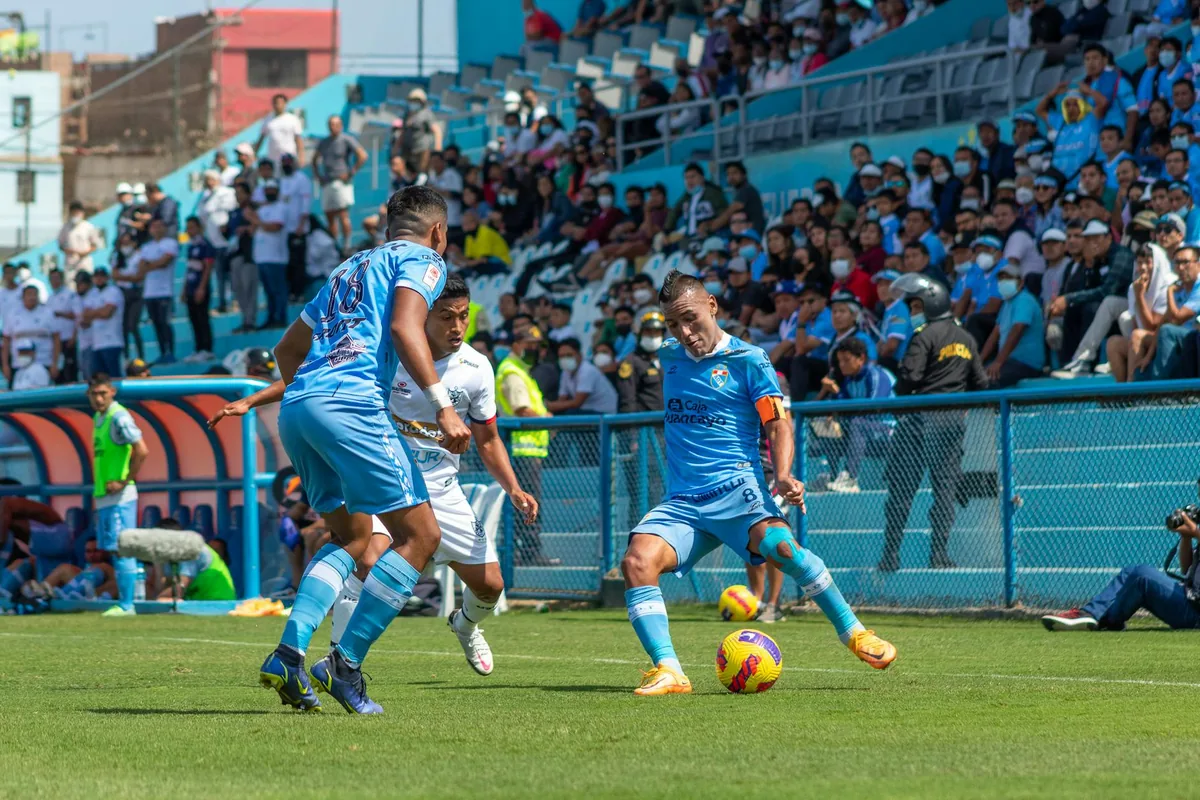
The Tyne-Wear Derby: History of Sunderland vs. Newcastle Rivalry
In the rugged landscape of English football, few fixtures burn with the intensity of the Tyne-Wear Derby. The clash between Sunderland AFC and Newcastle United is more than a game; it is a deep-rooted cultural and historical confrontation that divides the North East of England. For over a century, this rivalry has defined seasons, forged legends, and created moments of unparalleled drama. This article delves into the origins, iconic matches, and enduring significance of one of football's most passionate derbies.
The Roots of the Rivalry: More Than Just Football
The animosity between Sunderland and Newcastle predates football, tracing back to the English Civil War and the historic economic competition between the two cities. In the 17th century, Sunderland supported Parliament, while Newcastle was a Royalist stronghold. Centuries later, the Industrial Revolution saw the cities compete as hubs for shipbuilding and coal mining, fostering a sense of civic pride and competition that naturally spilled onto the football pitch.
The footballing rivalry officially began after the founding of Sunderland AFC in 1879 and Newcastle's formation a decade later. The first competitive meeting took place in the Football League on December 24, 1898, at Newcastle’s St James’ Park, ending in a 3-2 victory for the Magpies. From that moment, a fierce sporting feud was cemented, with bragging rights in the region at stake every time the teams met.
Eras of Dominance and Iconic Encounters
The balance of power in the derby has swung back and forth, with each club enjoying periods of supremacy that are etched into local folklore.
The Early 20th Century and Post-War Battles
Sunderland, one of English football's early powerhouses with their six First Division titles, often held the upper hand in the derby's formative decades. Matches were fiercely contested, with the atmosphere at both Roker Park and St James' Park becoming legendary. The derby continued through challenging periods, including Sunderland AFC during wartime, serving as a vital morale booster for the region.
The Modern Era: Premier League Drama
The rivalry reached a national audience with both clubs' presence in the Premier League. The 1990s and early 2000s produced unforgettable moments. Who can forget Sunderland’s 2-1 win at St James’ Park in 1999, sealed by a Niall Quinn header and a Kevin Phillips special? Or the iconic 1-1 draw in 2008, featuring Djibril Cissé’s last-gasp equalizer for the Black Cats? These matches were characterized by high stakes, red cards, and sheer passion. For a broader look at this period, explore Sunderland in the Premier League era.
One of the most dominant spells came under manager Peter Reid, when Sunderland went eight consecutive derbies without defeat between 1999 and 2006. Such runs are cherished by fans and are part of the classic fixtures in Sunderland history.
Legends, Villains, and Derby Heroes
Certain players become immortalized by their performances in this fixture.
- Gary Rowell (Sunderland): The local boy whose hat-trick in a 3-1 win at St James' Park in 1979 made him a Roker Park deity.
- Kevin Phillips (Sunderland): The prolific striker whose goals in derby matches cemented his legendary status.
- Alan Shearer (Newcastle): Though often on the losing side against Sunderland, his presence defined the fixture for a generation.
- Shay Given & Niall Quinn: The Irish internationals, who were close friends off the pitch, became opposing captains in the heated derby of 2002.
These figures played under the guidance of some of the game's great minds. The strategies for these high-pressure games were often devised by the iconic managers of Sunderland AFC, from Bob Kyle to modern tacticians.
The Fan Culture: A Region Divided
The derby is defined by its supporters. The intensity is palpable in the streets, pubs, and workplaces of the North East in the days leading up to the match. Sunderland's famous "Roker Roar" has found its modern equivalent at the Stadium of Light on matchday. Chants, banners, and rituals are central to the experience, with a rich catalogue of Sunderland AFC chants and anthems reserved specifically for the Newcastle clash.
While the rivalry is fierce, it is largely characterized by passionate tribalism rather than malice, with families and friendships split down the middle. The unique rituals and preparations are explored in our guide to Tyne-Wear Derby day traditions.
The Derby in the 21st Century and Beyond
Recent years have seen fewer meetings due to Sunderland's spells outside the Premier League, making each encounter even more precious. The Championship fixture in the 2023/24 season, for instance, was the first in nearly eight years, highlighting the fixture's enduring allure. Fans eagerly dissect every Tyne-Wear Derby fixtures preview for tactical insights and predictions.
The future of the derby remains a powerful motivator for both clubs. For Sunderland, the drive to return to the Premier League and reignite this fixture regularly is a key ambition, much like the spirit shown during their promotion from League One in 2022. The rivalry continues to evolve, but its core—a battle for regional pride—remains unchanged.
Conclusion: The Heartbeat of the North East
The Tyne-Wear Derby is the heartbeat of North East football. It is a fixture woven into the social fabric of the region, representing history, identity, and an unbreakable bond with the clubs. From the early days at Roker Park to the modern era at the Stadium of Light, it has provided a relentless narrative of joy, heartbreak, and unforgettable drama. For Sunderland fans, victory over Newcastle is a feeling that rivals even the joy of the 1973 FA Cup triumph. It is more than three points; it is a affirmation of pride that resonates until the next battle on the banks of the Wear and the Tyne.
For further reading on the history and context of this great rivalry, visit the English Football League's official history page or explore detailed statistical archives at 11v11.com.