The Roar of Roker Park to Stadium of Light: Acoustics & Atmosphere
The atmosphere at a football ground is more than just noise; it is a living, breathing entity shaped by architecture, history, and the collective passion of its supporters. For Sunderland AFC, the journey from the hallowed terraces of Roker Park to the modern colossus of the Stadium of Light represents a fascinating evolution in how sound and spectacle are generated and contained. This is the story of how the roar was engineered, preserved, and amplified across two iconic homes.
The Cauldron of Sound: Roker Park's Organic Roar
Roker Park, Sunderland's home from 1898 to 1997, was not designed with acoustics in mind. Its magic was an organic creation. The ground evolved piecemeal, with stands like the famous Roker End—a vast, open terrace—developing a fearsome reputation. The proximity of the stands to the pitch, the low roofs, and the tightly packed terraces created a natural amplifier. Sound generated on the terraces was trapped and reflected, creating an intense, intimate wall of noise that could intimidate opponents and inspire the home side. This was the era of what acousticians call "participatory sound," generated directly by the crowd without technological enhancement. The atmosphere was raw, immediate, and legendary, a key ingredient in famous nights like those during Sunderland's European Campaigns.
Architectural Quirks and Fan Culture
The unique layout of Roker Park fostered specific sonic traditions. The "Roker Roar" wasn't a constant din but a rising crescendo, often sparked from the Roker End and swept around the ground. The compact nature meant chants spread quickly, and the lack of executive boxes or large gaps in seating ensured a cohesive sonic experience. This environment nurtured the History of Sunderland Fan Chants, with songs becoming deeply embedded in the club's identity. The final, emotional season at Roker, detailed in Farewell to Roker Park: The Emotional Final Season of 1996-97, was a testament to the powerful bond between place and people.
A Modern Amphitheatre: Designing the Stadium of Light's Acoustics
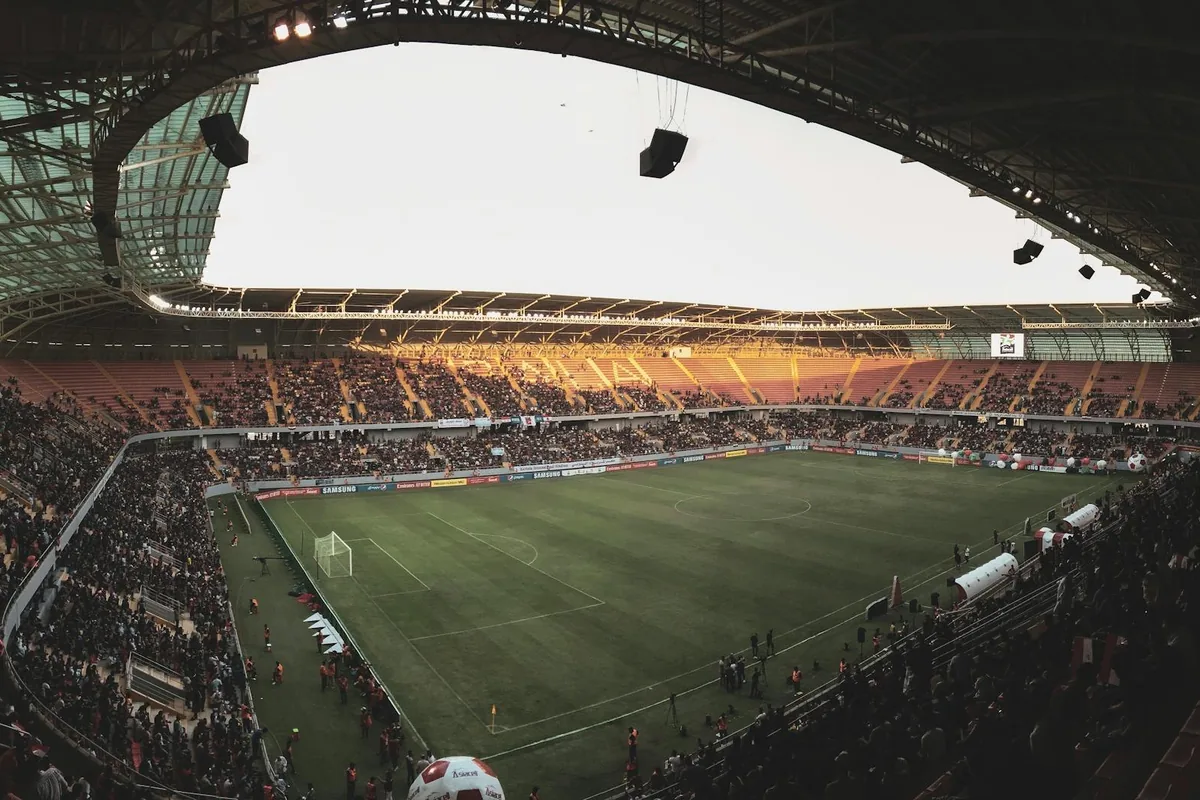
The move to the Stadium of Light in 1997 presented a monumental challenge: how to replicate the intense atmosphere of a classic, cramped ground within a modern, all-seater stadium designed for comfort and safety. The architects, led by The Miller Partnership, were acutely aware of this. The initial 42,000-capacity bowl was designed with steep, continuous tiers to bring fans as close to the pitch as regulations allowed, a direct lesson from Roker Park. The roof was engineered not just for shelter, but as a crucial acoustic tool. Its inward slope and specific materials were chosen to reflect crowd noise back down onto the pitch, rather than letting it dissipate into the open sky.
According to acoustic design principles for stadia, factors like reverberation time (how long sound lingers) and speech clarity are carefully balanced. At the Stadium of Light, the design prioritizes retaining the energy and volume of crowd noise, creating a "live" acoustic environment. This is a deliberate contrast to some modern arenas that can feel acoustically "dead." The aim was always to build a stage for the supporters, making them the protagonists of the atmosphere. For a deeper look at the thinking behind the stadium, explore our feature on the Architectural Design of the Stadium of Light.
Technology Meets Tradition: Enhancing the Matchday Experience
While the core acoustics are baked into the stadium's architecture, technology plays a supporting role in shaping the modern matchday atmosphere. The installation of large digital screens and advanced PA systems allows for coordinated pre-match displays, goal celebrations, and crowd prompts. However, the club has been careful to ensure technology supplements rather than supplants the organic crowd noise. The pre-match playing of "Prokofiev's Dance of the Knights" and the eruption after a goal are moments where engineered sound and human roar become one.
The evolution of facilities also impacts atmosphere indirectly. Improved concourses, amenities, and the sheer scale allow for a larger, more diverse crowd, which in turn generates a different, if no less passionate, sonic palette. The Matchday Experience at Stadium of Light is a carefully curated blend of tradition and modernity, where the design ensures the supporter's voice remains the loudest instrument. Further technological integrations are examined in Technology Upgrades at the Stadium of Light.
Comparing the Roars: Intimacy vs. Scale
Ask any fan who experienced both grounds, and you'll hear a common refrain: Roker Park was uniquely intimate, its atmosphere almost tangible. The Stadium of Light offers a different kind of power—one of scale and modernity. At its best, such as during a packed Tyne-Wear derby or a crucial promotion clash, the noise in the modern stadium can be deafening, a 40,000-plus voice choir in a purpose-built acoustic shell. The roar is cleaner, perhaps less raw, but overwhelmingly powerful.
The challenge in any new stadium is the "library effect" during less glamorous fixtures, where empty seats can dampen sound. The design of the Stadium of Light mitigates this with its continuous bowl, but atmosphere ultimately remains in the gift of the team's performance and the fans' passion. The history of generating that passion, from promotion battles to cup runs, is chronicled in resources like our Interactive Timeline: Sunderland AFC's Complete History.
The Future of the Roar
The atmosphere at the Stadium of Light continues to evolve. Initiatives like the "Red and White Army" singing section attempt to concentrate vocal support. The club also understands that honoring history is key to maintaining identity. The installation of the "Spirit of '37" statue and other heritage features, detailed in Art and Installations at Stadium of Light: Celebrating Heritage, creates emotional touchpoints that fuel passion.
Acoustic science continues to advance. Research by institutions like the University of Salford's Acoustics Research Centre informs modern stadium design, focusing on how architectural form shapes crowd dynamics. Furthermore, governing bodies like The Football Association provide guidelines on safety and design that indirectly influence the spectator environment. The future may see more nuanced acoustic modeling, but the principle remains: the best stadiums are those designed to be loud vessels for fan emotion.
From the tightly packed, rain-swept terraces of Roker to the towering, light-filled bowl on the banks of the Wear, Sunderland's roar has transformed but never faded. It is a sound engineered by history, amplified by architecture, and given life by generations of supporters—a constant heartbeat for the Black Cats, wherever they call home.