The 1990s Promotion Campaigns: Sunderland's Rise and Fall
The 1990s were a decade of profound transformation and emotional extremes for Sunderland AFC. Defined by a relentless pursuit of Premier League status, the era was a rollercoaster of near-misses, heartbreaking failures, and ultimate triumphs, all set against the backdrop of a seismic shift from the historic Roker Park to the modern Stadium of Light. This period forged a modern identity for the club, testing the loyalty of its supporters through a series of dramatic promotion campaigns that would shape its destiny for years to come.
The Early 1990s: Foundations and Frustration
Entering the 1990s, Sunderland was a club in the Second Division, still grappling with the legacy of the turbulent 1980s. The appointment of manager Denis Smith in 1987 had begun a stabilization process, culminating in a promotion to the old First Division in 1990. However, this return to the top flight was brief, ending in immediate relegation in 1991. This setback set the stage for the decade's central narrative: the arduous climb back. The club's history, from its foundation in 1879 to its Victorian glory, was one of a footballing giant, making the second-tier status feel particularly incongruous.
The 1991-92 season, the last before the inception of the Premier League, saw Sunderland mount a serious challenge. Led by the prolific strike partnership of Marco Gabbiadini and John Byrne, the team played attractive, attacking football. They reached the FA Cup final, a poignant Wembley heartbreak against Liverpool, but league consistency proved elusive. They finished just outside the promotion places, a pattern of frustration that would become familiar.
The Playoff Agony: 1995 and 1998
Under new manager Mick Buxton, and later Peter Reid, Sunderland became perennial contenders in the newly branded First Division (the second tier). The playoff system, introduced in 1987, became the source of both ultimate dream and crushing despair for Wearside.
The 1995 Wembley Defeat
The 1994-95 campaign under Buxton was one of grit rather than flair. The team, featuring stalwarts like Martin Smith and Phil Gray, secured a playoff place. At Wembley, they faced a talented Crystal Palace side. In a tight, tense final, Sunderland fell to a late goal, losing 4-3 in a match that encapsulated the fine margins between success and failure. The dream of Premier League football, and the prospect of playing there in the grand new stadium already being planned, was deferred.
The 1998 "Great Escape"
By 1998, Peter Reid had built a powerful, direct team characterized by physicality and spirit, with key figures like Kevin Phillips, Niall Quinn, and Lee Clark. After a thrilling season, they finished 3rd, setting up a playoff semi-final against Sheffield United. After a 2-1 away defeat in the first leg, the return at a packed Stadium of Light became legendary. Sunderland won 2-0, with the iconic "SuperKev" Phillips scoring, to reach Wembley. There, however, they met a Charlton Athletic side in a final considered one of the greatest playoff matches ever. After a 4-4 draw, Sunderland lost 7-6 in a sudden-death penalty shootout. The devastation was palpable; it felt like a cruel denial of a Premier League place their season had deserved.
The Stadium Move: A New Home Amidst the Struggle
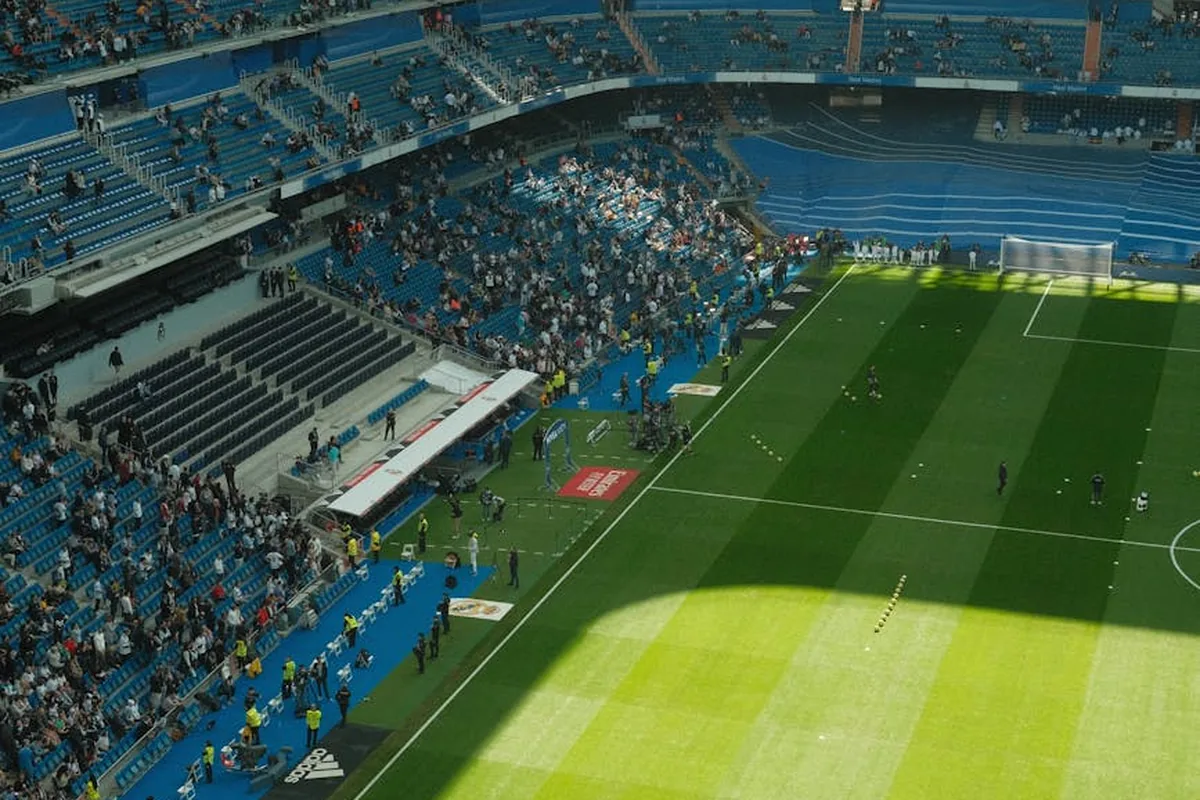
Parallel to the on-pitch drama was a monumental off-field change. In 1997, Sunderland said an emotional farewell to Roker Park after 99 years. The move to the 42,000-seat Stadium of Light was a bold statement of ambition, symbolizing a club preparing for a big future. The transition, however, added a layer of complexity. The first full season at the new ground (1997-98) ended with that playoff final heartbreak, creating a bittersweet connection between the magnificent new arena and the lingering old-division status. The club was living in a Premier League stadium while playing second-tier football, a dissonance that fueled the desperation for promotion.
The Ultimate Triumph: 1999 and the Record-Breaking Rise
The pain of 1998 forged a steely resolve. The 1998-99 season saw Peter Reid's Sunderland unleash a campaign of stunning dominance. The "Phillips and Quinn" partnership was telepathic, with Phillips' predatory instincts feeding off Quinn's flick-ons and hold-up play. The team amassed a then-record 105 points, scoring 91 goals and losing only three games all season. The promotion charge was relentless, and the title was secured with games to spare. This was not a scrape over the line; it was a coronation.
This promotion was cathartic. It validated the stadium move, rewarded the fanbase's unwavering support through years of playoff misery, and finally restored Sunderland to the top table of English football. It marked the beginning of a significant Premier League era for Sunderland that would see them become an established top-flight club for over a decade.
Legacy of the 1990s: Rise, Fall, and Foundation
The 1990s promotion campaigns were a defining chapter. The "rise" was the ultimate achievement of 1999 and the building of a modern infrastructure. The "fall" refers not just to the playoff failures, but to the subsequent challenges that would follow after the Premier League stint ended, as detailed in the club's recent history from 2018.
The decade created modern legends like Kevin Phillips, whose 35-goal season in 1999-2000 would earn him the European Golden Shoe. It established a template of passionate, direct football that resonated with the fans. The emotional investment required during those playoff battles deepened the bond between club and community, a bond that had been evolving since the club's early community roots.
Ultimately, the 1990s were a bridge between Sunderland's rich historical past and its modern identity. The struggles made the success sweeter, and the lessons learned—about resilience, investment, and the thin line between divisions—would echo through the following decades. For a comprehensive view of how this fits into the wider story, explore the Sunderland AFC timeline of major events. The decade proved that Sunderland's spirit, much like during its historic 1973 FA Cup win, was capable of overcoming prolonged adversity to reach the light.
For further statistical analysis of this and other eras, authoritative football history resources like 11v11.com and the Football Association's historical archive provide valuable context and records.