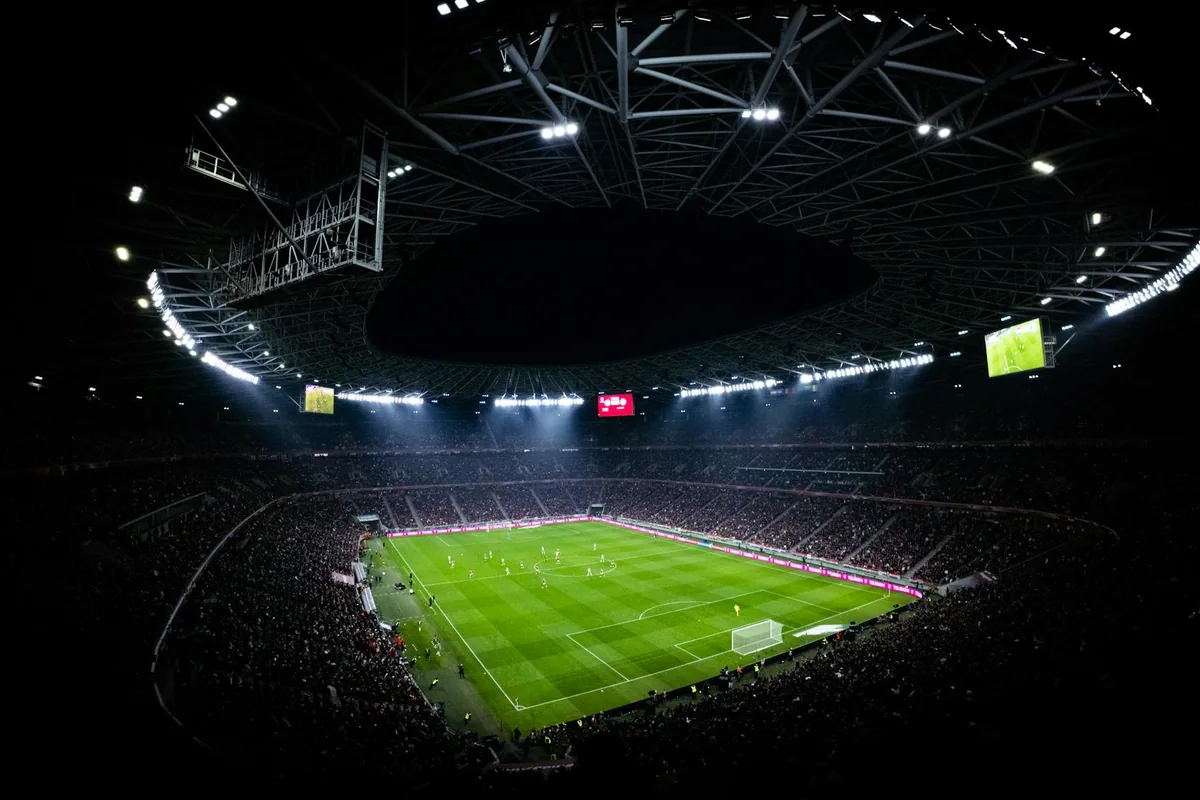
Following the Lads: The Evolution of Sunderland's Away Day Culture
The journey is as important as the destination. For Sunderland AFC supporters, this sentiment is the bedrock of away day culture—a tradition of unwavering loyalty that has evolved from Victorian-era train excursions to modern, continent-spanning European adventures. Following the Lads on the road is a rite of passage, a demonstration of identity, and a thread that connects generations of Black Cats fans. This culture, forged in shared sacrifice and celebrated in collective song, tells a story of community, resilience, and pure footballing passion.
The Early Days: From Local Derbies to League Travel
The roots of Sunderland's traveling support stretch back to the club's formative years. In the late 19th century, as the railway network expanded, so did the opportunity for fans to follow their team. Early away days were largely confined to local derbies and regional fixtures, with supporters traveling by special football trains. These journeys were communal affairs, often rowdy and boisterous, establishing the vocal, partisan away support that would become a hallmark. The success of the Team of All Talents in the 1890s naturally fueled a desire to witness victories on rival turf, solidifying the tradition.
The Interwar and Post-War Era: Buses, Trains, and Stout Hearts
The interwar period and the decades following World War II saw the away day ritual become more organized, though no less arduous. Supporters' clubs began arranging coach travel, while trains remained the backbone for longer trips. These journeys were characterized by a rugged, working-class spirit. Fans would pack into cramped carriages or buses, often for many hours, with little in the way of comfort. The match itself was the sole focus, and the camaraderie built during these travels strengthened the bonds within the fanbase. This period, covering post-war rebuilding and the 1950s golden era, saw massive away followings descend on grounds across England, their distinctive Wearside accents and songs announcing their presence long before kickoff.
The Golden Age of the Away End: 1970s to 1990s
The 1970s through to the 1990s are often romanticized as the golden age of the English football away day. For Sunderland, this era was defined by immense, vocal followings that could turn a section of an opposing stadium into a corner of Wearside. The pinnacle was, of course, the 1973 FA Cup run. The sight and sound of tens of thousands of Sunderland fans at Wembley for the final against Leeds United was the ultimate expression of this traveling culture, but the journeys to semi-finals and earlier rounds were equally legendary.
This period was also marked by a distinct, though now largely historical, element of terrace culture that involved rivalry and occasional conflict. Yet, for the vast majority, it was about unity, humor, and outsinging the home support. The move from Roker Park to the Stadium of Light in 1997 coincided with the Premier League era and the beginning of a shift in the matchday experience, but the commitment of the away support remained undimmed.
The Premier League and European Adventures
Sunderland's periods in the Premier League between 1996 and 2017 transformed the scale and logistics of away days. All-seater stadia, stricter policing, and higher ticket prices changed the atmosphere but not the numbers. Sunderland's support consistently ranked among the highest traveling contingents in the division, famous for selling out allocations from London to Liverpool. Furthermore, brief forays into European competition, such as in the 2013-14 season, allowed the Black Cats faithful to export their culture abroad. European nights in cities like Lisbon and Seville created new, colorful chapters in the away day story, blending football tourism with passionate support.
The Modern Era: Rebuilding and Reaffirmation
Relegation and the subsequent challenges in the EFL Championship and League One tested the mettle of Sunderland's traveling support like never before. Paradoxically, this period may have strengthened the culture. Following the team to Accrington Stanley on a Tuesday night or to Plymouth Argyle requires a different kind of dedication than a weekend trip to Old Trafford. The numbers have remained astonishing, a powerful rebuttal to the club's on-pitch struggles and a testament to the fans' role in the club's identity. This unwavering support has been a cornerstone of the club's recent history and rebuilding phase.
Modern away days are coordinated through digital means—social media groups, fan forums, and dedicated travel companies—but the essence remains. It's still about meeting at familiar pick-up points, the shared anticipation on the road, the takeover of a town square or pub, and the collective roar when Sunderland scores.
The Rituals and Unifying Elements
Several key elements define the Sunderland away day experience across the eras:
- The Travel: Whether by ancient railway carriage, chartered bus, or car share, the journey is a bonding session where stories are shared, and predictions are made.
- The Gathering: Designated pubs near opposition grounds become temporary Sunderland strongholds, filled with the club's chants and songs.
- The Visual Identity: A sea of red and white stripes, scarves, and flags transforms the away section. The display of banners and the wearing of classic kits are proud statements of heritage.
- The Vocal Support: Sunderland fans are renowned for their vocal, relentless support away from home, often creating an atmosphere that inspires the team and intimidates the opposition. This tradition is deeply explored in our look at the origins and evolution of Sunderland fan chants.
The Future of the Away Day
The culture continues to evolve. Issues of ticket affordability, kick-off times changed for television, and the use of safe standing areas are contemporary discussions. However, the core motivation is unchanged. Organizations like the SAFC Supporters' Group work to represent traveling fans' interests. The away day remains the purest expression of fandom—a voluntary, costly, and time-consuming act of loyalty. It is a tradition passed down through families, a central pillar of what it means to be a Sunderland supporter. As the club looks to the future, its traveling army, steeped in history and hardened by recent battles, will undoubtedly continue to Follow the Lads wherever the footballing road may lead, upholding a legacy documented throughout the club's complete timeline of major events.