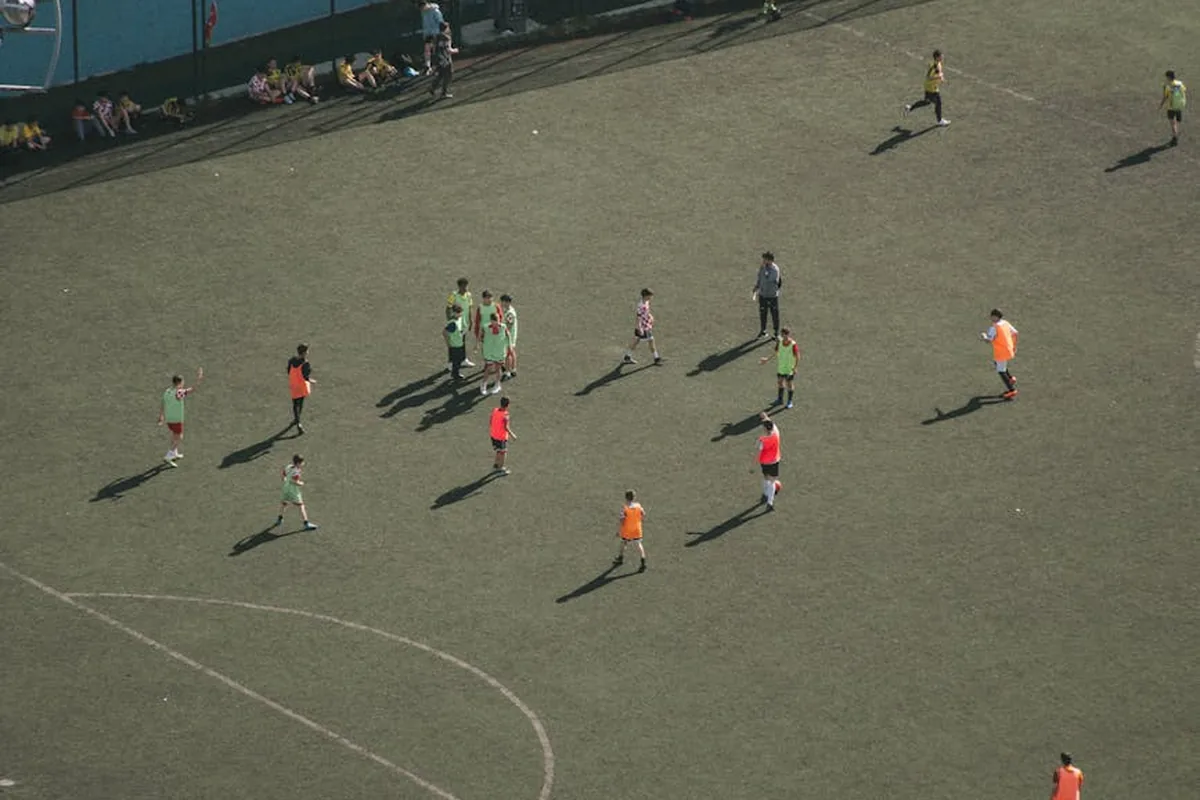
Pressing Forward: The Evolution of Sunderland's High Press
The high press is more than a modern tactical trend; it is a philosophy of proactive, aggressive football. For Sunderland AFC, the journey towards embracing and evolving this approach is a story woven through different eras, managers, and playing squads. It reflects a broader shift in football thinking, from reactive resilience to assertive control. This evolution from sporadic pressure to coordinated systems defines much of the club's recent tactical identity and future aspirations.
The Early Foundations: Pressure as a Principle
While the structured, coordinated "gegenpress" is a 21st-century concept, the principle of harassing opponents has deep roots in English football. Sunderland's early successes, like those during Sunderland's Golden Era in the 1890s, were built on a combination of superior skill and relentless work rate. Teams would close down space and challenge aggressively, though this was often driven by individual endeavor rather than a collective system. The athleticism and tenacity required for pressing were always present in the English game, serving as a precursor to more sophisticated approaches.
In the post-war period, as tactics became more defined, Sunderland's identity was frequently centered on defensive solidity and potent counter-attacks. The legendary 1973 FA Cup triumph was a masterclass in disciplined, deep defending and explosive breaks—a style that required immense work ethic but was fundamentally different from a high-pressing game. The press, where it existed, was situational, often triggered in specific areas of the pitch rather than applied as a universal strategy from the front.
The Modern Catalyst: Influence of the Continental Game
The true seeds of Sunderland's modern pressing evolution were sown during Sunderland's Premier League era (1996-2017). Exposure to top-flight football, with its increasing tactical diversity and influx of continental coaches, began to change expectations. Managers like Peter Reid instilled a high-tempo, physically demanding style, while later appointments brought more nuanced ideas.
The pivotal shift began in earnest in the 2010s. The appointment of managers like Gus Poyet and, more significantly, Sam Allardyce, introduced more structured defensive schemes. Allardyce's survival miracle in 2015/16 was built on exceptional organization, which included intelligent pressing triggers rather than passive defending. This period marked the transition from a team that simply worked hard to one that worked smart—understanding when, where, and how to apply pressure to force turnovers in advantageous positions.
The Data and Sports Science Revolution
Concurrent with tactical influences was a revolution behind the scenes. The club's investment in sports science, detailed in our look at the evolution of sports science at Sunderland AFC, provided the physical foundation for a pressing game. High-intensity pressing requires peak athletic conditioning, precise workload management, and detailed nutritional strategies. The ability to sustain aggressive pressure for 90 minutes transformed from an aspiration into a measurable, trainable component of performance.
The Rebuilding Blueprint: Pressing as an Identity
Following relegation, the club's philosophy underwent a fundamental reset. The period of rebuilding from 2018 to the present has seen a conscious move towards a younger, more athletic squad capable of executing a dynamic, high-energy style. Under managers like Lee Johnson and Alex Neil, pressing became a core tenet, not just a tactic.
This was most evident in the 2021/22 promotion-winning campaign. Sunderland consistently deployed an aggressive mid-block or high press, aiming to win the ball in the opposition's half and create immediate chances. The system relied on the collective: forwards initiating the press, midfielders cutting off passing lanes, and defenders playing a high line to compress space. This approach was perfectly suited to the youthful exuberance of the squad and became a hallmark of their play, overwhelming many League One opponents through sheer intensity and tactical cohesion.
Anatomy of the Modern Sunderland Press
Today's iteration of the high press at Sunderland is a multi-faceted system. It is not merely about chasing the ball, but about controlling space and forcing errors.
- Trigger-Based Pressure: Players are coached to press aggressively when specific triggers occur: a poor touch, a backward pass, or a pass to a defender under pressure. This intelligent pressing conserves energy and increases success rates.
- Coordinated Unit Movement: The press is a synchronized effort. When a forward moves to press a center-back, the wingers tuck in to block passing lanes to the full-backs, and the central midfielders step up to mark their counterparts. This cage is designed to trap the opponent.
- Counter-Pressing (Gegenpressing): Immediately after losing possession, players swarm the ball-carrier to win it back within seconds. This prevents dangerous counter-attacks and allows Sunderland to maintain attacking momentum, a key feature of their play in the final third.
The effectiveness of this system is deeply connected to player profiles. The club's focus on youth development and recruitment prioritizes players with high tactical intelligence, stamina, and agility—the essential attributes for a successful pressing team.
Challenges and Future Evolution
The high press is not without its risks. A well-coordinated opponent can play through the press, leaving large spaces in behind Sunderland's defensive line. The physical demands also lead to fatigue, potentially impacting performance in the latter stages of games or during congested fixture periods. Balancing pressing intensity with game management is a constant challenge for the coaching staff.
Looking forward, the evolution will likely involve greater sophistication. This includes variable pressing intensities based on the opponent and game state, more nuanced player-specific roles within the system, and even deeper integration of performance data to optimize pressing triggers and recovery. The core philosophy, however, is now embedded. As noted in the broader evolution of Sunderland's playing style, the high press represents the club's modern commitment to proactive, front-foot football.
From the hard graft of Victorian pioneers to the data-informed systems of today, Sunderland's relationship with the press has matured. It has evolved from a component of effort into a defining tactical identity—a relentless, coordinated effort to seize the initiative, embodying the fighting spirit of Wearside in a modern footballing framework. For further reading on the global development of pressing tactics, the analysis by ESPN's tactical blog provides excellent context, while the academic resource ResearchGate hosts studies on the physical and tactical demands of high-pressure systems.