Dead Ball Specialists: The Evolution of Sunderland's Set-Piece Play
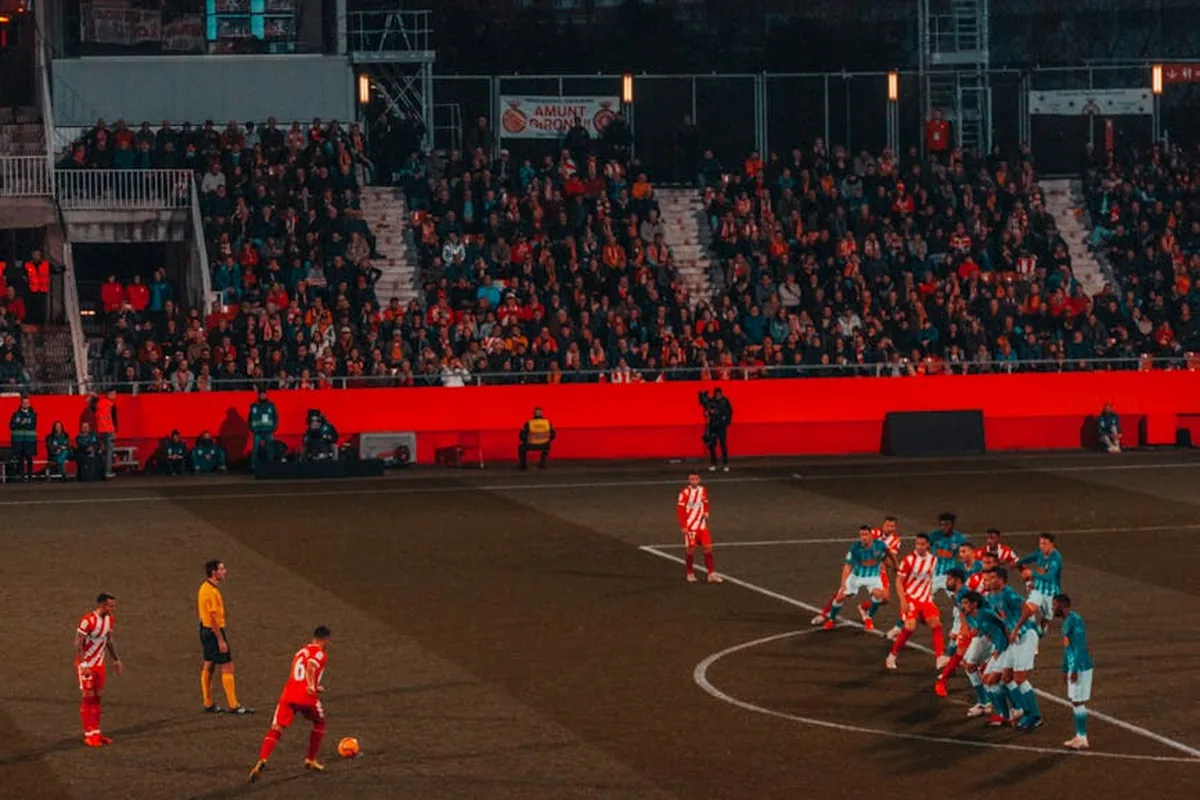
For over a century, the set-piece has been a vital weapon in Sunderland AFC's tactical arsenal. From the rudimentary corner kicks of the Victorian era to the intricately rehearsed free-kick routines of the modern game, the Black Cats' approach to dead-ball situations has evolved dramatically, often reflecting broader tactical trends in football itself. This evolution is a story of individual brilliance, collective ingenuity, and moments where a single kick from a stationary ball has altered the course of a match, a season, or even the club's history.
The Early Foundations: Power and Precision
In the formative years of The Foundation of Sunderland AFC, set-pieces were a more direct affair. The game's early laws, still being codified, placed less emphasis on complex routines. Success often came from sheer power or a moment of individual inspiration. During Sunderland's Golden Era in the 1890s, known as the "Team of All Talents," their dominance was built on superior all-round play, but set-pieces provided a reliable route to goal from crosses and long throws into crowded penalty areas. The focus was on delivery and the aerial prowess of forwards, a fundamental principle that would endure for decades.
The Post-War Era and the Rise of the Specialist
Following the disruptions of the World Wars, football entered a period of tactical refinement. The Post-War Rebuilding phase saw Sunderland rebuild its identity. It was in the subsequent decades that the concept of a dedicated set-piece taker began to crystallize. While not always a designated role, players with particular skill in striking a dead ball became increasingly valuable. The 1973 FA Cup run, immortalized in 1973 FA Cup Final: Sunderland's Historic Victory Over Leeds United, showcased this. While not solely reliant on set-pieces, the precision of deliveries from wide areas and the threat from corners were crucial components of their underdog strategy, feeding the relentless work of the forwards and midfielders.
The Free-Kick Artists Emerge
By the 1980s and 1990s, the free-kick specialist became a global phenomenon, and Sunderland had their own exponents. Players like Gary Owers and later, Kevin Phillips—though more famed for his open-play goals—possessed the technique to trouble goalkeepers from distance. This period emphasized the "direct" free-kick: one player, one shot, with a wall of teammates often serving as a decoy or screen. The aim was to combine power with dip and swerve, a skill celebrated across the football world, as analyzed by coaching resources like Coaches Voice.
The Modern Analytical Approach
The turn of the millennium and Sunderland's periods in the Premier League coincided with a data revolution in football. Set-pieces transformed from an art into a science. At the Stadium of Light, this meant meticulously planned corner routines, differentiated signals for near-post or far-post deliveries, and complex blocking movements to free attackers. The role of the "set-piece coach" or dedicated analyst became influential behind the scenes. Every throw-in in the final third, every wide free-kick, became a pre-rehearsed opportunity to create a high-percentage chance.
Dead-Ball Diversity
Modern Sunderland set-pieces are characterized by their variety. The direct shot on goal remains an option for a technically gifted player, but it is now one of several. Short corners are used to manipulate defensive shapes, indirect free-kicks involve intricate lay-offs and shots from secondary positions, and long throws are deployed as a tactical weapon to apply pressure. This multifaceted approach requires not just one specialist, but a squad of players each understanding their specific role in a library of routines. The evolution of pitch technology, detailed in our look at Green Perfection: Pitch Technology at Stadium of Light, has also ensured consistent playing surfaces for these practiced moves.
Key Figures in the Set-Piece Story
Sunderland's history is dotted with players whose dead-ball prowess left a lasting mark. In recent years, Aiden McGeady's ability to deliver pinpoint crosses and score from direct free-kicks was a standout feature. Further back, Sebastian Larsson became a cult hero almost solely built on his extraordinary reliability from set-plays; his stunning free-kicks against Newcastle United and crucial goals in cup finals are etched into modern folklore. These individuals exemplify how a specific skill can define a player's contribution and endear them to the fanbase, joining the ranks of Sunderland's Cult Heroes.
Set-Pieces as a Strategic Pillar
Today, especially in the physically demanding landscape of the EFL, set-pieces are not just an added bonus—they are a strategic pillar. For a club like Sunderland, with a strong academy focus, effective set-play execution can be a great equalizer against more expensively assembled squads. It represents a controllable, trainable moment in the unpredictable flow of a match. The club's investment in analytics and specialized coaching, part of the broader Evolution of Sports Science at Sunderland AFC, underscores their importance. As tactics continue to evolve, the set-piece remains a constant battlefield, a chess match played out in the seconds after the referee's whistle.
The journey from the straightforward corners of Roker Park to the algorithmically-informed routines at the Stadium of Light mirrors football's own tactical journey. For Sunderland AFC, mastering the dead ball has repeatedly proven to be a critical component of success, a blend of individual magic and collective planning that continues to turn games and define eras. As the club looks to the future, this aspect of the game, deeply analyzed and passionately executed, will undoubtedly remain a key focus in the pursuit of glory.