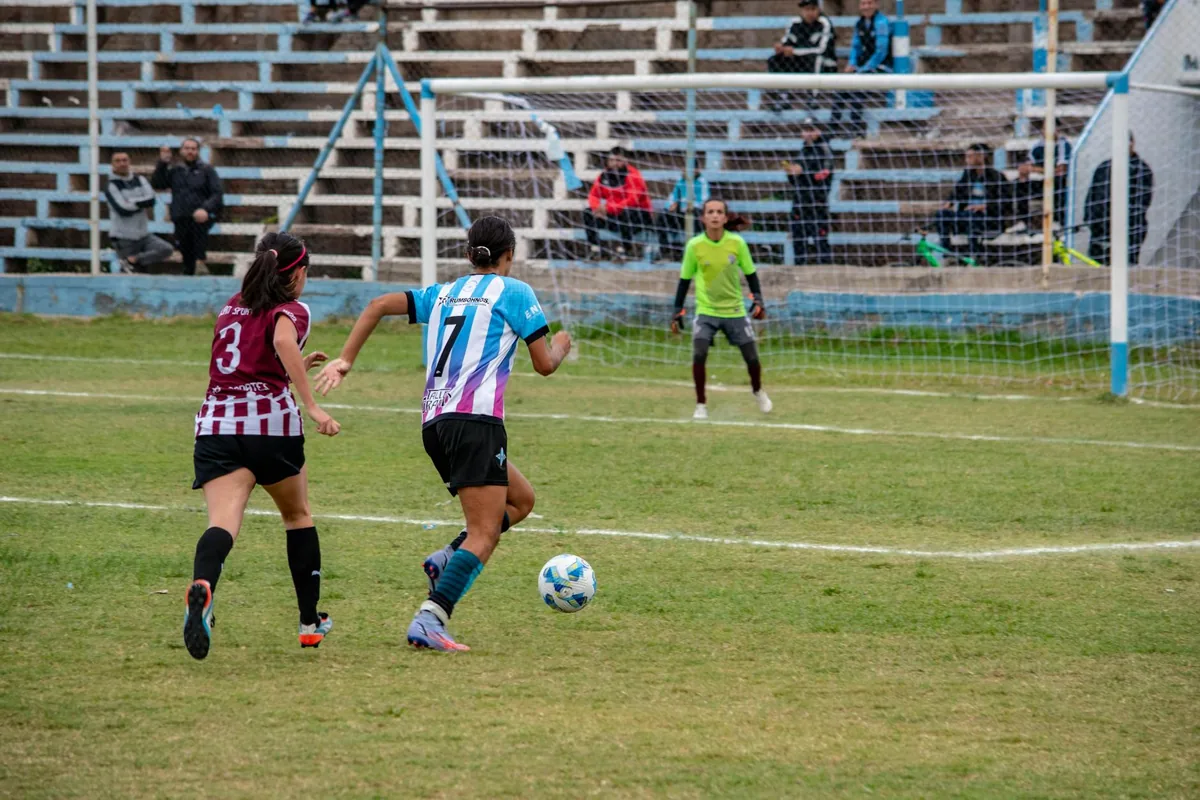
Defensive Transitions: How Sunderland Regains Possession
Defensive transitions are the critical moments immediately after a team loses possession of the ball. For Sunderland AFC, the efficiency and organization of these phases have been a cornerstone of tactical identity across different eras, from the disciplined banks of the 1890s to the modern high-pressing systems. This analysis examines the principles, evolution, and key components of how the Black Cats work to win the ball back, turning defense into a platform for attack.
The Philosophical Foundation: From Reactive to Proactive
Sunderland's approach to regaining possession has never been static. Historically, the club often employed a more structured, reactive defensive shape, inviting pressure before breaking quickly. This was evident in the famed "Team of All Talents" during Sunderland's Golden Era in the 1890s, where defensive solidity provided the foundation for attacking flair. The philosophy was about defensive resilience first.
In the modern game, however, the emphasis has shifted towards proactive, aggressive recovery. The aim is to disrupt the opponent's build-up as high up the pitch as possible, a principle deeply embedded in contemporary coaching. This evolution reflects broader tactical trends in football, where controlling space and time is paramount. Sunderland's current systems often focus on coordinated pressing triggers—such as a backward pass or a touch by a specific opponent—to initiate a collective effort to win the ball.
Key Components of Sunderland's Defensive Transition
Effective defensive transitions are built on several interlocking principles: immediate reaction, spatial awareness, and collective responsibility.
Immediate Pressing and Counter-Pressing
The first 3-5 seconds after losing the ball are crucial. Sunderland's coaching staff drills players to react instantly, applying pressure on the ball-carrier to prevent a clean counter-attack or to force a hurried, inaccurate pass. This counter-pressing, often called "gegenpressing," aims to win the ball back in advanced areas where the opposition is most vulnerable. The success of this relies on the proximity and angles of the nearest players, ensuring the ball-carrier has no easy escape route.
Defensive Shape and Compactness
When immediate recovery isn't possible, the priority shifts to regaining an organized defensive shape. This involves players quickly retreating into a compact block, reducing the space between the defensive, midfield, and forward lines. A compact unit makes it difficult for opponents to play through the center, funneling play into less dangerous wide areas. This principle of organized retreat and reshuffling has been a constant, from the post-war rebuilding years to the present day.
Trigger-Based Coordination
Modern Sunderland teams don't press aimlessly. Pressing is a coordinated maneuver triggered by specific cues. Common triggers include a pass to a defender with poor technical ability, a square pass across the midfield, or the ball being received by a player with their back to goal. When one player moves to press, teammates must simultaneously step up to mark passing options, creating a pressuring "shadow" that cuts off avenues for progression. This requires immense tactical discipline and communication, hallmarks of well-coached sides throughout the club's history.
Evolution Through the Eras
Sunderland's methods for regaining possession have adapted with the times, influenced by managers, players, and the prevailing football philosophy of each period.
The Early Foundations of Team Defense
In the club's formative years, defensive organization was relatively rudimentary but based on physical commitment and teamwork. The focus was on being "hard to beat," a mentality that served them well as they established themselves. You can trace these early competitive roots in our look at Sunderland's Early Rivalries in the 1880s.
The Mid-Century Organizers
During the 1950s and 60s, a more structured approach emerged. Teams were drilled to hold their shape, with midfielders and forwards expected to track back diligently. The transition was less about aggressive hunting and more about forming two disciplined banks of four. This organized defense was a key feature of the side during Sunderland's transition in the 1960s.
The Pressing Revolution
The global influence of pressing football, pioneered by coaches like Rinus Michels and Arrigo Sacchi, eventually reached Wearside. In the Premier League era, managers began implementing more systematic pressing schemes. This required higher levels of fitness and tactical intelligence, moving beyond mere effort to calculated, spatial control. The demands of the modern game are a world away from the early days, detailed in The Foundation of Sunderland AFC in 1879.
Player Roles and Responsibilities
Every player on the pitch has a specific function during a defensive transition, dictated by their position and the team's tactical plan.
- Forwards and Attacking Midfielders: They are the first line of defense. Their role is to apply immediate pressure on central defenders or deep-lying midfielders, curving their runs to block passing lanes into the center.
- Central Midfielders: The engine room of the transition. They must read the game to either step up and support the press or drop in to shield the defense, often deciding the team's defensive tempo.
- Wide Players: They are responsible for pressing opposing full-backs and preventing switches of play, while also being aware of their need to track overlapping runs if the press is bypassed.
- Defenders: The last line. They must maintain a high line to support the press (compressing space) or drop off to deal with long balls, all while communicating constantly to keep the backline organized.
The importance of a commanding defensive leader is explored in our feature on Sunderland's Defensive Legends.
Training and Implementation
Mastering defensive transitions is a product of relentless training. Modern sessions use conditioned games—small-sided matches with rules that encourage pressing, such as needing to win the ball back within five seconds of losing it. Video analysis is also crucial, with players studying opponent tendencies to identify pressing triggers and vulnerabilities in their build-up play. This scientific approach to player preparation is part of a broader evolution, as examined in The Evolution of Sports Science at Sunderland AFC.
Conclusion: The Bridge to Attack
For Sunderland, a successful defensive transition is not an end in itself; it is the vital bridge to launching attacks. Winning the ball in advanced areas against a disorganized defense creates the most potent scoring opportunities. This seamless shift from defense to attack—often called Attacking Transitions—is the ultimate reward for disciplined defensive work. As tactics continue to evolve, the principles of immediate reaction, intelligent coordination, and relentless collective effort will remain at the heart of how Sunderland AFC seeks to regain possession and control the flow of the game.
To understand how these tactical concepts fit into the broader story of the club, explore our comprehensive Sunderland AFC Timeline of Major Events. For further reading on the technical aspects of pressing in football, authoritative resources like the FIFA Football Technology & Innovation site and analyses from The Athletic's football section provide excellent depth.