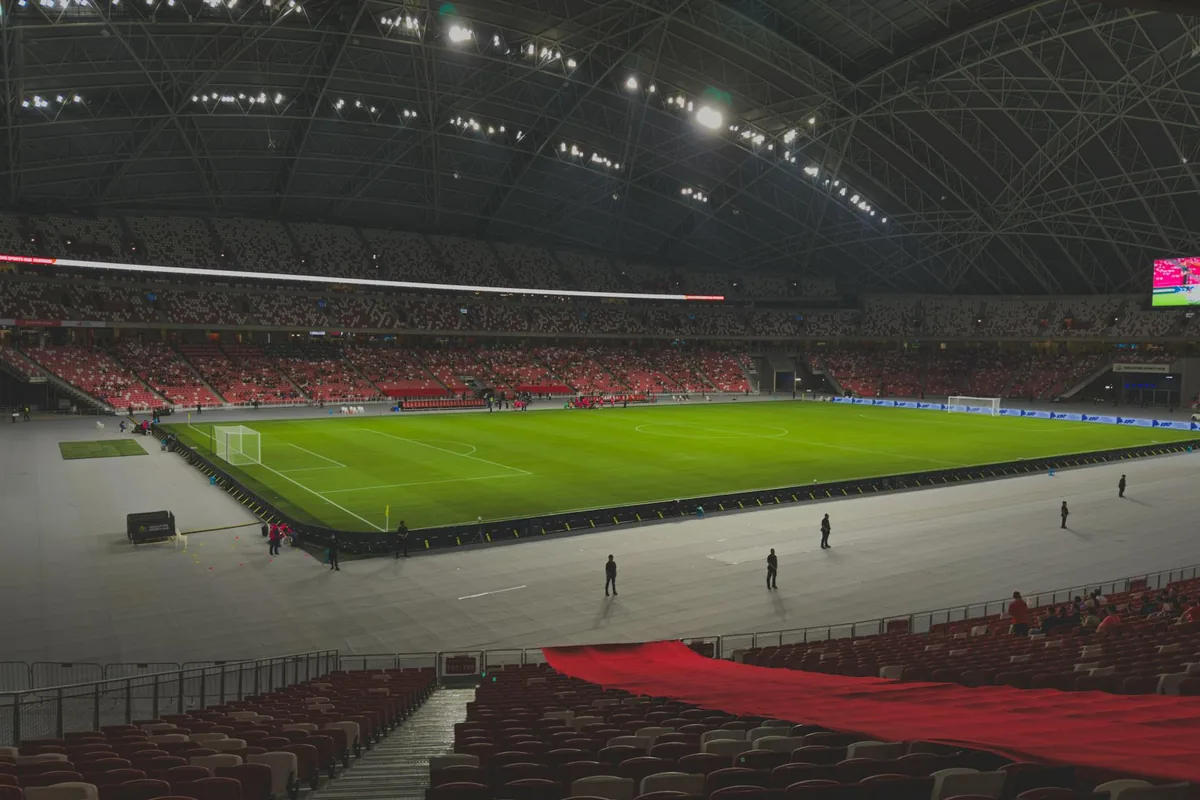
Sunderland's European Campaigns: Continental Adventures of the Black Cats
While Sunderland AFC's history is deeply rooted in domestic triumphs and tribulations, the club's forays into European competition represent a fascinating, albeit brief, chapter. These campaigns, though few in number, provided memorable nights under the lights at Roker Park and the Stadium of Light, offering a glimpse of continental glamour and the unique challenges of European football. This article chronicles Sunderland's journeys beyond England's shores, from their first tentative steps to their most recent adventures.
The Dawn of European Football and Sunderland's Entry
European club competitions began in earnest in the 1950s, but Sunderland's path to qualification was long. The club's domestic fortunes through the mid-20th century, detailed in our Sunderland in the 1960s: Transition from Golden Era to Rebuilding, saw them oscillating between divisions, often missing the cut for European places. Qualification typically came via league position or cup success, avenues that proved elusive for the Black Cats during this period. It wasn't until a famous cup triumph that the gates to Europe finally swung open.
1973: The FA Cup Key to Europe
Sunderland's historic victory in the 1973 FA Cup Final was a seismic event for the club. As a Second Division side defeating the mighty Leeds United, it was one of the greatest giant-killings in Wembley history. Beyond the domestic glory, this victory carried a significant prize: entry into the European Cup Winners' Cup for the 1973-74 season. For the first time in their history, Sunderland would compete on the continental stage, drawing Portuguese giants Sporting CP in the first round.
The 1973-74 European Cup Winners' Cup Campaign
Sunderland's European debut was a short but memorable affair. Drawn against Sporting CP, the first leg was held at a rain-soaked Roker Park on 19 September 1973. In front of a passionate crowd of 32,000, the Black Cats secured a valuable 2-1 victory, with goals from Billy Hughes and Vic Halom. The return leg in Lisbon two weeks later was a daunting prospect. Despite a valiant effort, a 2-0 defeat saw Sunderland eliminated 3-2 on aggregate. While the exit was disappointing, the campaign marked a historic milestone, introducing European football to Wearside and creating memories that would last a lifetime for those who witnessed it.
A Long Wait and the Premier League Era
Following the 1973-74 campaign, Sunderland entered a prolonged period without European football. The club experienced the turbulence of the Sunderland's 1980s: Relegation Battles and Financial Challenges, followed by a resurgence in the 1990s that culminated in their arrival in the Premier League. Consistent top-flight status under managers like Peter Reid finally presented a new opportunity. A seventh-place finish in the 1999-2000 Premier League season, their highest since the 1950s, earned Sunderland a place in the UEFA Cup for the 2000-01 campaign.
The 2000-01 UEFA Cup Adventure
Qualification for the UEFA Cup sparked immense excitement. By now, the club had moved to the modern Stadium of Light, which was ready to host European nights. Sunderland entered at the first round, drawn against Swiss side FC Basel. The first leg at St. Jakob-Park ended in a 2-1 defeat, with Kevin Phillips scoring a crucial away goal. The return leg at a packed Stadium of Light is etched in club folklore. In a thrilling encounter, Sunderland overturned the deficit to win 2-0 (3-2 on aggregate), with Niall Quinn and Don Hutchison scoring the goals that sent the Black Cats through. The victory set up a second-round tie against Italian Serie A side Hellas Verona. A 1-0 defeat in Italy was followed by a tense 1-1 draw at the Stadium of Light, ending Sunderland's run. Despite the exit, the campaign, particularly the epic night against Basel, remains a highlight of the modern era.
Analysis and Legacy of Sunderland in Europe
Sunderland's European record is modest in terms of longevity but rich in narrative. The two campaigns, separated by 27 years, reflect different eras of the club's history. The 1973-74 run was a direct, romantic reward for a miraculous cup win, a classic underdog story. The 2000-01 campaign, by contrast, was a reward for sustained Premier League competitiveness and showcased the club in its impressive new home. Both campaigns highlighted the unique tactical and logistical challenges of European football, from adapting to different styles of play to managing demanding travel schedules.
The legacy of these European nights lives on in fan culture. The atmosphere, the sense of occasion, and the pride of representing England on the continent are fondly recalled, as captured in our feature on European Nights: Sunderland's Continental Adventures. They remain a benchmark for ambition, a reminder of the heights the club can reach when performing at its best domestically.
Could European Football Return to Wearside?
The question of a return to European competition is one that tantalizes Sunderland supporters. The club's recent history, navigating the EFL Championship and aiming for a Premier League return, is documented in Sunderland's Recent History: From Relegation to Rebuilding. A sustained promotion and establishment in the top flight would be the prerequisite for any future European qualification. While financial disparities in modern football make the challenge greater, the dream persists. The infrastructure at the Stadium of Light is certainly capable of hosting such events, and the fanbase has proven it can generate an atmosphere worthy of the continental stage.
For further reading on the history and format of the competitions Sunderland participated in, authoritative sources like UEFA's official website provide comprehensive archives and historical data. Additionally, detailed statistical records of English clubs in Europe can be found on resources like RSSSF (Rec.Sport.Soccer Statistics Foundation).
In summary, Sunderland's European campaigns are cherished, albeit rare, jewels in the club's crown. They represent moments where the Black Cats stepped onto a broader stage, testing themselves against continental opposition and creating indelible memories for generations of supporters. These adventures remain an integral part of the club's rich tapestry, symbolizing both past achievement and future aspiration.