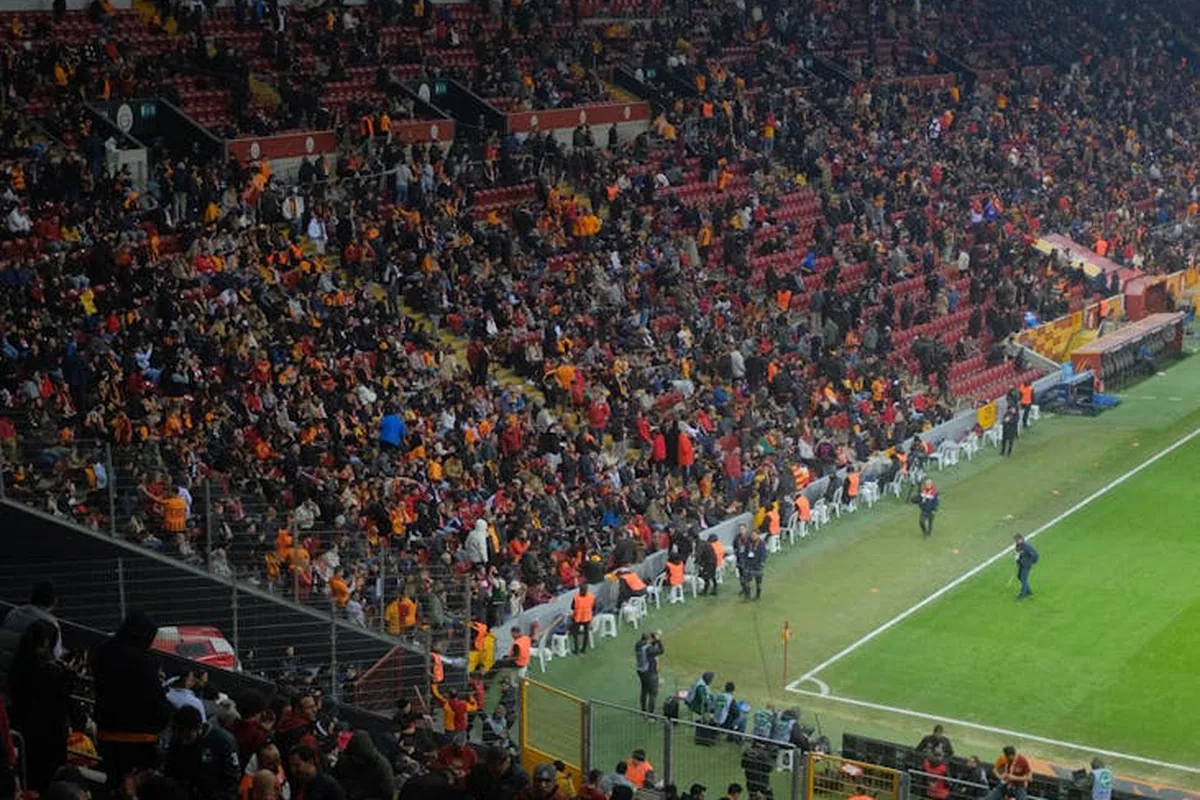
Behind the Scenes: Matchday Operations at Stadium of Light
The roar of 40,000 fans, the thunderous applause for the first goal, the collective groan at a missed chance—these are the moments that define a matchday at the Stadium of Light. But for every second of drama on the pitch, there are countless hours of meticulous planning and coordinated effort happening behind the scenes. The smooth execution of a Sunderland AFC home game is a monumental logistical undertaking, a symphony of departments working in unison to ensure safety, entertainment, and an unforgettable experience for every supporter.
The Engine Room: Planning Begins Days in Advance
Matchday operations do not start when the turnstiles open. For the club’s operations team, the process begins days, sometimes weeks, before the first fan arrives. A core planning group, involving safety, security, catering, media, and facilities management, convenes to run through a detailed checklist. This includes assessing the specific requirements of the visiting team and their supporters, planning for any special events or tributes, and reviewing intelligence from local authorities. The condition of the playing surface is paramount, managed by a dedicated grounds team who employ cutting-edge pitch technology at Stadium of Light to ensure a perfect stage for the players.
Critical to this phase is communication. Briefings are held with all matchday staff, from stewards to hospitality servers, ensuring everyone understands their roles, the expected crowd profile, and emergency procedures. This level of preparation is the bedrock upon which a successful event is built, a legacy of professional standards that have evolved from the club's historic homes to its modern arena.
Gates Open: A City in Motion
On the day itself, the operation springs to life hours before kick-off. The area around the stadium transforms, with police and club security managing travel and transport flows, directing buses, cars, and the thousands of fans on foot. Inside, the scale of the task becomes clear.
Safety and Security: The Unseen Shield
The safety of everyone in the stadium is the absolute priority. A network of over 500 stewards and security personnel, coordinated from a state-of-the-art control room, monitors the entire site. Using hundreds of CCTV cameras, they oversee crowd movement, identify potential issues, and ensure swift response to any incident. This modern system is a world away from earlier eras, yet it serves the same fundamental purpose: protecting the Sunderland family. The evolution of these protocols, from basic crowd management to integrated security systems, reflects the changing face of the game.
Hospitality and Catering: Fuelling the Faithful
Meanwhile, the concourses buzz with activity. Catering teams work at a frenetic pace, serving the legendary matchday pies and drinks to a constant queue of fans. In the hospitality suites and restaurants, a different experience is being curated, with fine dining and guest speakers adding to the day’s allure. The evolution of matchday catering from simple pies to diverse modern offerings mirrors the club's journey and its focus on enhancing fan experience.
The Media Machine: Broadcasting the Drama
High in the stands, the press box and broadcast gantries hum with activity. Journalists, commentators, and production crews from local, national, and sometimes international outlets set up their equipment. The club’s own media team produces live content for SAFC TV and social media, interviews players and managers, and manages the needs of the written press. This digital and broadcast operation ensures the Black Cats' story reaches supporters around the globe, a far cry from the simple match reports of the club's early years.
Kick-Off to Final Whistle: Precision Under Pressure
As the teams emerge to the eruption of noise and the iconic "Prokofiev" theme, the operational focus intensifies. The control room becomes the nerve center, tracking crowd density and coordinating all moving parts. Medical teams, including paramedics and club doctors, station themselves around the ground, ready to assist fans or players. The grounds staff watch the pitch condition, prepared for any necessary halftime repairs.
For the players, their matchday preparation culminates here, but it began much earlier at the Academy of Light training facilities. The transition from training ground to stadium is seamless, supported by kit managers, sports scientists, and physios who ensure the squad is perfectly prepared from the moment they arrive in the dressing room to the final whistle.
The Final Whistle: Efficient Egress and Reset
The job is not over when the referee ends the game. In fact, one of the most critical phases begins: safely evacuating over 40,000 people. Stewards and police implement a phased departure plan, managing flows to public transport hubs and car parks to prevent congestion. Simultaneously, the clean-up operation commences. Hundreds of staff descend on the stands and concourses to return the stadium to pristine condition, a task that will take several hours.
Behind closed doors, the operational team often holds a debrief, noting what worked and what can be improved for next time. Data on crowd flow, catering sales, and incident reports are reviewed. This cycle of planning, execution, and review is continuous, driven by a commitment to excellence that honours the passion of the supporters.
A Legacy of Logistics
The matchday operation at the Stadium of Light is a modern marvel of logistics, but its heart is rooted in Sunderland's rich history. The dedication of the staff mirrors the commitment shown by the Victorian pioneers who founded the club. It's a 21st-century operation serving a timeless passion, ensuring that the stadium is not just a venue, but a safe, vibrant home for generations of Mackems.
For those interested in the broader context of stadium management and safety in UK football, the Sports Grounds Safety Authority provides detailed guidelines and research. Furthermore, the technological integration seen at modern stadiums is explored in depth by experts at Populous, a leading sports architecture firm involved in designing venues worldwide.
From the early days at Roker Park to the modern era at the Stadium of Light, the goal remains unchanged: to create a stage where footballing dreams can unfold, supported by an invisible framework of professionalism and care. It’s the ultimate team performance, where every staff member plays their part in making matchday magic.