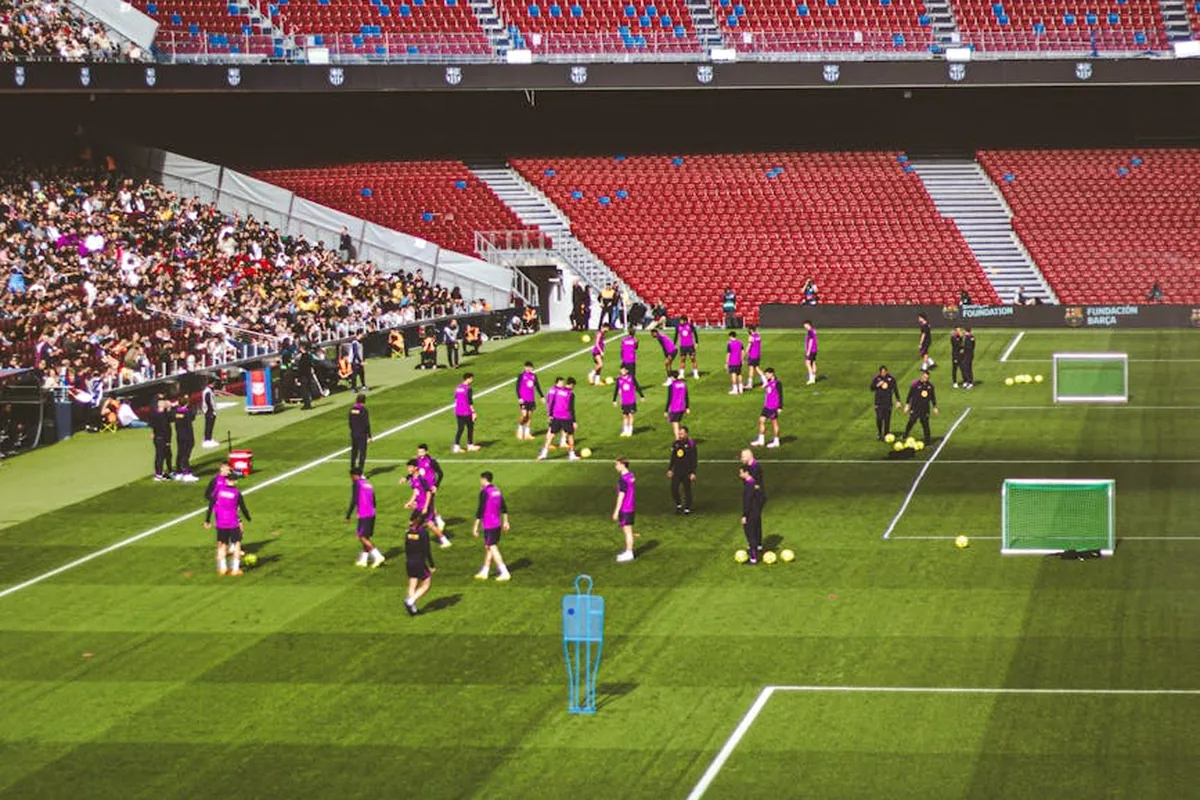
Sunderland's Promotion Celebrations: A Legacy of Wearside Joy
For a club with a history as rich and storied as Sunderland AFC, promotion has always been more than just a sporting achievement; it is a communal catharsis, a reaffirmation of identity, and a cause for unbridled celebration that engulfs the entire city. From the early days of league football to the modern era, each ascent has been marked by unique scenes of passion, relief, and sheer elation that are etched into the club's folklore. These moments are not merely about moving up a division; they are about restoring pride, fulfilling potential, and reconnecting the team with its fervent supporters on a profound level.
The Early Triumphs: Foundations of Success
Sunderland's first major celebrations of footballing success came not from promotion, but from championship victories. In the club's formative years, the concept of promotion and relegation was still evolving. The team's dominance during Sunderland's Golden Era: The Team of All Talents in the 1890s established a standard of excellence. However, the emotional template for promotion joy was arguably set in the post-war period. After the interruption of the Second World War, the club, like many others, faced a period of Post-War Rebuilding: Sunderland AFC (1945-1960). The return to the First Division in 1964, after a six-year absence, was a significant moment. While detailed records of street parties are scarce, the joy at Roker Park was palpable, signaling a return to what fans believed was their natural place among England's elite, a sentiment that would echo through future promotions.
The 1970s: A Prelude to Cup Glory
The early 1970s set the stage for the club's most famous triumph. Before the legendary 1973 FA Cup Final: Sunderland's Historic Victory Over Leeds United, there was a vital promotion. In 1976, under the management of Bob Stokoe—the hero of '73—Sunderland won the Second Division title. This promotion was crucial, bringing First Division football back to Roker Park and proving the club could build on its cup success. The celebrations blended the lingering euphoria of Wembley with the fresh joy of league achievement, creating a potent mix that promised a bright future. The scenes at Roker Park were a testament to a fanbase riding a wave of optimism, unaware of the challenges that the subsequent decades would bring.
The Rollercoaster 1990s: Drama and a New Home
No decade encapsulates the agony and ecstasy of Sunderland's promotion battles quite like the 1990s. This period was defined by near-misses, heartbreaking playoffs, and ultimate triumphs, all set against the backdrop of a monumental stadium move. The pain of playoff final defeats in 1990 and 1998 was searing, making the successes all the sweeter.
The First Division Title and Farewell to Roker
Under Peter Reid, Sunderland stormed to the First Division title in 1995-96, playing exhilarating football. The promotion was sealed with games to spare, allowing for a celebratory end to the final season at the historic Roker Park: The Complete History of Sunderland's Original Home 1898-1997. The last match at Roker was a 3-0 win over Everton, an emotional day where celebration of the past and excitement for the future merged. The promotion party was, therefore, also a farewell party, a unique moment in the club's history.
The Stadium of Light and Playoff Redemption
The move to the Stadium of Light: Complete Guide to Sunderland's Modern Home in 1997 was followed by another playoff heartbreak in 1998. However, redemption came in 1999. After a dominant season, Sunderland finished second to secure automatic promotion back to the Premier League. The 5-2 victory over Cambridge United on the final day confirmed their return, sparking pandemonium at the new stadium. This celebration felt like a collective exhale and a validation of the club's ambitious move to its modern home.
The 2000s: Playoff Drama and Roy Keane's Revolution
The early 2000s saw Sunderland endure a painful relegation and a period of struggle, making the promotion of 2005 under Mick McCarthy all the more important. Winning the Championship title with a record 94 points was a demonstration of resilience. The celebrations at the Stadium of Light were a release from years of frustration, though the Premier League stay proved brief. This set the stage for the most dramatic promotion of the modern era. In 2007, with the club languishing in the relegation zone, Roy Keane took charge. An incredible run of form propelled them to the Championship title. The decisive moment came away at Luton, where news of rivals' results filtered through to the traveling fans, confirming promotion. The spontaneous, rain-soaked celebrations at Kenilworth Road, led by a charismatic and demanding manager, are the stuff of legend. It was a promotion born of sheer willpower, celebrated with raw, unfiltered joy by a massive away following. For more on these tense campaigns, explore Sunderland's 2000s Promotion Playoffs: Drama and Triumph.
The Modern Era: Rebuilding and a New Dawn
Following a difficult period of Sunderland's Recent History: From Relegation to Rebuilding 2018-Present, the club found itself in League One. The 2022 promotion under Alex Neil ended a four-year exile in the third tier. The culmination was a tense but triumphant Playoff Final at Wembley against Wycombe Wanderers. The 2-0 victory triggered an explosion of red and white at the national stadium. This celebration was layered with emotion: relief at ending a painful chapter, pride in a young team's accomplishment, and hope for a sustainable future. It was a celebration that united generations of fans, many of whom had only known decline, with those who remembered past glories.
The Anatomy of a Sunderland Celebration
What defines a Sunderland promotion celebration? Certain elements are perennial. The sea of red and white on the pitch, a tradition that security measures may try to prevent but fans inevitably fulfill. The communal singing of "Proclaimers' I'm Gonna Be (500 Miles)" and the "Sunderland 'Til I Die" anthem. The sight of heroes, from Montgomery to Quinn, Phillips to Clarke, being hoisted onto shoulders. These rituals connect the celebrations of 1976, 1996, 1999, 2005, 2007, and 2022 into a continuous thread. They are deeply tied to the club's Sunderland Matchday Traditions: Pregame Rituals and Fan Customs, amplified to their maximum volume. Furthermore, the economic and social impact on the city is tangible, with local businesses thriving and a palpable sense of civic pride washing over Wearside. The celebrations often receive national media coverage, with outlets like the BBC Sport and Sky Sports broadcasting the scenes to a wider audience, reinforcing Sunderland's place in the national football conversation.
A Legacy Forged in Joy
Sunderland AFC's history is a tapestry woven with threads of triumph and adversity. The promotion celebrations stand out as the brightest patches in that fabric—moments where potential is realized, and faith is rewarded. Each promotion tells its own story, from the title-winning cavalier style of the mid-90s to the gritty determination of the 2007 campaign. Yet, they all share a common denominator: an unbreakable bond between the club and its community. As the club continues to build, these historic celebrations serve as both a reminder of past glory and a beacon for future aspirations. They are not just memories; they are the emotional fuel that powers the enduring hope that defines being a Sunderland supporter. For a complete overview of where these triumphs fit into the broader narrative, visit the Sunderland AFC Timeline: Major Events and Milestones 1879-Present.