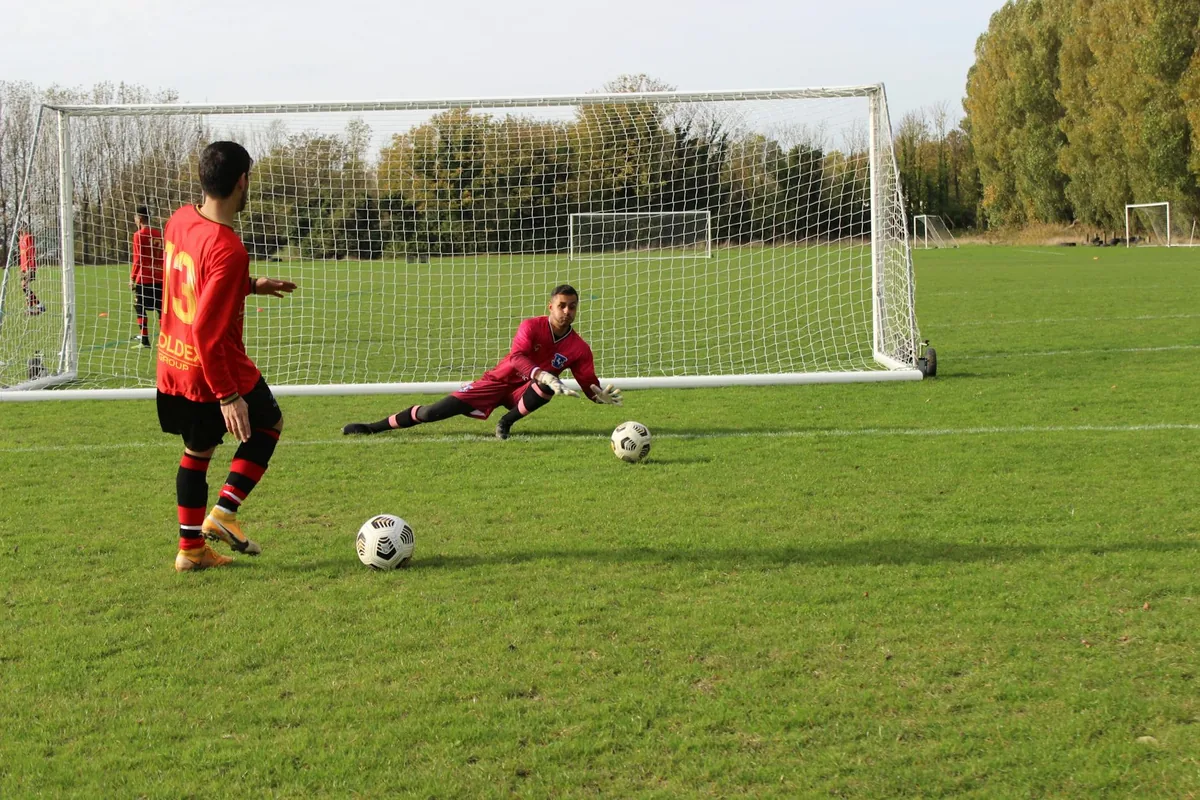
Academy to First Team: The Tactical Integration of Youth at Sunderland AFC
For Sunderland AFC, the pathway from the Academy of Light to the Stadium of Light pitch is more than a tradition; it is a strategic imperative. In an era where financial sustainability is paramount, the club’s ability to tactically integrate homegrown talent into the first-team setup defines its competitive edge and long-term vision. This process is not simply about giving young players minutes; it is a meticulous, multi-stage plan involving specific tactical education, phased exposure, and a club-wide philosophy that bridges the academy and senior squads.
The Foundation: A Unified Playing Philosophy
The bedrock of successful youth integration is a coherent footballing identity shared across all age groups. Sunderland’s academy does not operate in a tactical vacuum. Coaches from the U9s through to the U21s work within a framework that mirrors the principles demanded by the first-team manager. Whether the senior side employs a high-press, a possession-based build-up, or rapid transitional play, the academy curriculum is designed to incubate those specific skills and tactical understandings. This means a 16-year-old midfielder is already versed in the pressing triggers or positional rotations he will encounter with the senior pros, dramatically reducing the adaptation period when he steps up. This commitment to a unified style is a modern evolution of a club with a deep-rooted history of nurturing talent, a tradition explored in our article on Sunderland's Local Academy Graduates Who Made It Big.
Phased Exposure: From Training Ground to Matchday
Integration is a graduated process, not a sudden promotion. The initial phase involves regular training with the first team. This serves a dual purpose: it acclimatizes the youngster to the pace, physicality, and technical standard, while allowing the manager and coaching staff to assess their tactical comprehension under pressure. The next critical step is often matchday squad inclusion. Being on the bench, experiencing the pre-match routines, and absorbing the in-game dynamics from the dugout are invaluable parts of a player’s education.
Meaningful minutes are then carefully managed. A debut or early appearances might come in lower-pressure scenarios or specific game states where the tactical instructions are clear and focused—for example, seeing out a game with a lead to practice game management, or being introduced against tiring legs to exploit space. This phased approach builds confidence and provides manageable learning experiences, a strategy that has underpinned the success of numerous academy graduates throughout the club's history.
Tactical Tailoring and Role Specialization
Modern football demands specialists. The academy’s role is to produce players who can execute specific functions within the first team’s system. This means development is increasingly position-specific and even role-specific. A full-back is trained not just as a defender, but as either an overlapping wing-back or an inverted full-back, depending on the senior team’s needs. A forward might be developed as a pressing forward, a target player, or a mobile link attacker.
This specialization ensures that when a youth player is promoted, they are a tactical "plug-and-play" option for the manager. They understand the nuances of their role within the collective structure. This focus on defined roles within a system is a key component of the club's broader Youth Development Analysis and Success Metrics, which tracks progression through these specialized pathways.
The Mentorship Component: Learning from Experience
Tactical integration is not solely the domain of coaches. Experienced professionals within the first-team squad play a crucial mentoring role. Young defenders learn positioning and communication by partnering with seasoned center-backs in training. Aspiring midfielders observe the movement and decision-making of established players. This organic transfer of knowledge, particularly regarding in-game situational awareness and tactical adjustments, is irreplaceable. It connects new generations with the club’s legacy, much like the leadership demonstrated by Sunderland's captains through history.
Adapting to the Modern Game: Data and Sports Science
The integration process is now supported by advanced analytics and sports science. Data on a youth player’s pressing efficiency, pass selection in different zones, or defensive positioning is compared against first-team benchmarks. This objective analysis helps identify when a player is truly ready to make the tactical leap. Furthermore, individualized physical development programs ensure academy products can meet the athletic demands of senior football, minimizing injury risk and maximizing their capacity to execute tactical instructions over 90 minutes. This scientific approach is part of the wider Evolution of Sports Science at Sunderland AFC.
Case Studies and Future Outlook
The proof of a successful integration strategy is on the pitch. Recent years have seen several academy products not only debut but become fundamental to the first team’s tactical approach. Their seamless adaptation is a testament to the aligned philosophy and structured pathway. Looking ahead, the challenge and opportunity lie in refining this model further—using loan spells strategically for specific tactical education, and continuously evolving the academy’s training to match the ever-changing trends of the senior game.
This focus on youth is central to Sunderland’s current identity, a deliberate pillar of the club's strategy during its period of Rebuilding from 2018 to the Present. By investing in the tactical integration of homegrown players, Sunderland AFC builds a sustainable future, fosters a powerful connection with its supporters, and honors its rich history of producing talent that wears the red-and-white stripes with pride and purpose.
For further insight into how other elite clubs structure their youth pathways, the English Football League (EFL) provides resources on academy system development, while the work of organizations like the Professional Footballers' Association highlights the broader support ecosystem for young players making the transition to professional football.