


Sunderland AFC: The Complete Guide to History, Fans & Club Culture
For over a century, the name Sunderland AFC has resonated far beyond the banks of the River Wear. It is a club forged in industrial might, defined by profound passion, and sustained by an unwavering sense of community. More than just a football team, Sunderland is an institution, a central pillar of identity for its city and its people. This comprehensive guide delves into the rich tapestry of the club’s past, explores the unique culture of its supporters, and examines the elements that make it a truly distinctive entity in English football. From its early dominance to its modern-day pursuits, understanding Sunderland AFC is to understand a story of resilience, pride, and an unbreakable bond between a club and its fans.
Foundations and Early Glory: The Birth of a Giant
The story of Sunderland AFC begins not in the stadium we know today, but in the heart of a thriving Victorian industrial centre. Founded in 1879 by schoolteacher James Allan, the club was initially known as Sunderland and District Teachers’ Association Football Club before becoming Sunderland AFC a year later. The club’s early years were spent at various grounds, including the Blue House Field and Groves Field, before a pivotal move to Newcastle Road in 1886. This relocation coincided with the club’s election to the Football League in 1890, a testament to its growing prowess.
The late 19th and early 20th centuries marked the club’s first golden era. Under the legendary management of Tom Watson, Sunderland earned the moniker “The Team of All the Talents.” They won their first Football League title in the 1891-92 season and added further championships in 1893 and 1895, playing a brand of football that was both effective and admired. This period established Sunderland as a northern powerhouse, a status cemented by their move to the iconic Roker Park in 1898. The famous ground would become a fortress and a home for 99 years, witnessing further league triumphs in 1902 and 1913. These early successes laid an indelible foundation of expectation and prestige.
The Roker Roar and Post-War Challenges
The interwar and post-war periods were characterised by a mix of brilliant cup success and fluctuating league fortunes. The 1937 FA Cup victory, where Sunderland defeated Preston North End 3-1, remains a landmark achievement, bringing the famous old trophy to Roker Park for the first time. This era also saw the emergence of iconic figures like Raich Carter and Bobby Gurney, whose exploits are woven into club folklore.
However, the decades following the Second World War proved more challenging. While the 1950s offered moments of excitement, the club experienced its first relegation from the top flight in 1958, a profound shock to its identity. The 1960s and 70s, however, would deliver one of the club’s most celebrated chapters. The 1973 FA Cup victory under manager Bob Stokoe stands as arguably the club’s defining moment. The image of Stokoe, in his trademark raincoat and trilby, sprinting across the Wembley turf to embrace goalkeeper Jimmy Montgomery after his miraculous double-save is eternally etched in history. This victory, against the mighty Leeds United, was a triumph of spirit and remains the club’s last major honour, a touchstone for every generation since.
The subsequent years saw Sunderland become synonymous with the classic English cup fighter, often pulling off giant-killings while struggling for consistency in the league. The passion of the supporters, famously dubbed the “Roker Roar,” became a formidable weapon in itself, a tradition that would seamlessly transfer to the club’s next home.
A New Home and Modern Eras: The Stadium of Light Era
In 1997, Sunderland left their spiritual home of Roker Park and moved to the state-of-the-art Stadium of Light. The move symbolised ambition and a new beginning. The stadium’s name, a tribute to the region’s mining heritage, powerfully connected the club’s future to its industrial past. The late 1990s and early 2000s saw Sunderland establish themselves in the Premier League, with a memorable consecutive 7th-place finish under Peter Reid in 2000 and 2001, which included a record-breaking 1998-99 season where they amassed 105 points in the second tier.
The modern era has been a rollercoaster of dramatic highs and profound lows. The club experienced the agony of relegation with a then-record-low points total in 2003 and 2006, but also the ecstasy of promotions, particularly under Roy Keane in 2007. A significant chapter began with the ownership of Ellis Short, which initially brought stability and a return to the Premier League, but ultimately culminated in a steep decline, back-to-back relegations, and a painful period in League One.

The 2022-23 season, however, marked a new dawn. Under the guidance of manager Tony Mowbray and with a vibrant young squad, the club reached the Championship play-offs, reconnecting the team with its fanbase through a bold, attacking style of football. This resurgence was underpinned by a transformative change in ownership, with the club being purchased by Kyril Louis-Dreyfus in 2021, instilling fresh optimism for a sustainable and ambitious future.
The Heartbeat of the Club: The Sunderland Supporters
To discuss Sunderland AFC is to discuss its supporters. The fanbase is the club’s constant, its lifeblood, and its most defining feature. The transition from the “Roker Roar” to the equally intimidating atmosphere at the Stadium of Light demonstrates that the passion is location-agnostic; it is ingrained in the people.
Sunderland fans are renowned for their loyalty, often travelling in vast numbers across the country regardless of league position—a phenomenon powerfully documented in the “Sunderland ‘Til I Die” Netflix series. This series provided a global audience with an unvarnished look at the emotional investment of the supporters, showcasing their despair, hope, and unwavering commitment. The bond is familial and generational; supporting Sunderland is often a rite of passage in Wearside households.
This community spirit extends beyond matchdays. Supporter groups like the Red and White Army (RAWA) play an active role in fostering dialogue with the club and organising initiatives. Furthermore, the Foundation of Light, the club’s award-winning charity, leverages the power of the Sunderland badge to deliver vital programmes in education, health, and inclusion across the North East, embodying the club’s role as a community pillar.
Club Identity, Rivalries, and Cultural Impact
The identity of Sunderland AFC is visually encapsulated in its crest and colours. The traditional red and white stripes are iconic, while the current crest features the famous Black Cat—a symbol of luck derived from a 19th-century battery on the Roker Park site—alongside the Wearmouth Bridge and the motto “Consectatio Excellentiae” (The Pursuit of Excellence).
This identity is sharpened by intense rivalries. The Tyne-Wear derby against Newcastle United is one of the most passionate and historic fixtures in world football. Rooted in geographic, economic, and cultural contrasts between the two cities, matches are events of immense local significance, where bragging rights are paramount. While recent years have seen fewer meetings, the rivalry remains as potent as ever in the hearts of supporters.
The club’s cultural impact is vast. From the folk anthem “Dance of the Sugar Plum Fairy” (commonly associated with the “Ha’way the Lads” chant) ringing out at the Stadium of Light, to countless references in film, television, and music, Sunderland AFC is inextricably linked to the identity of the North East. It represents a history of hard work, resilience in the face of adversity, and a collective joy that transcends the sport itself.
The Stadium of Light and Matchday Experience
Attending a match at the Stadium of Light is an experience that connects the present to the past. With a capacity of over 48,000, it is one of the largest and most impressive grounds in the country. On a matchday, the area around the stadium buzzes with activity. Pubs like The Colliery Tavern and The Albion are steeped in matchday tradition, while the club’s own bars and restaurants offer a range of amenities.
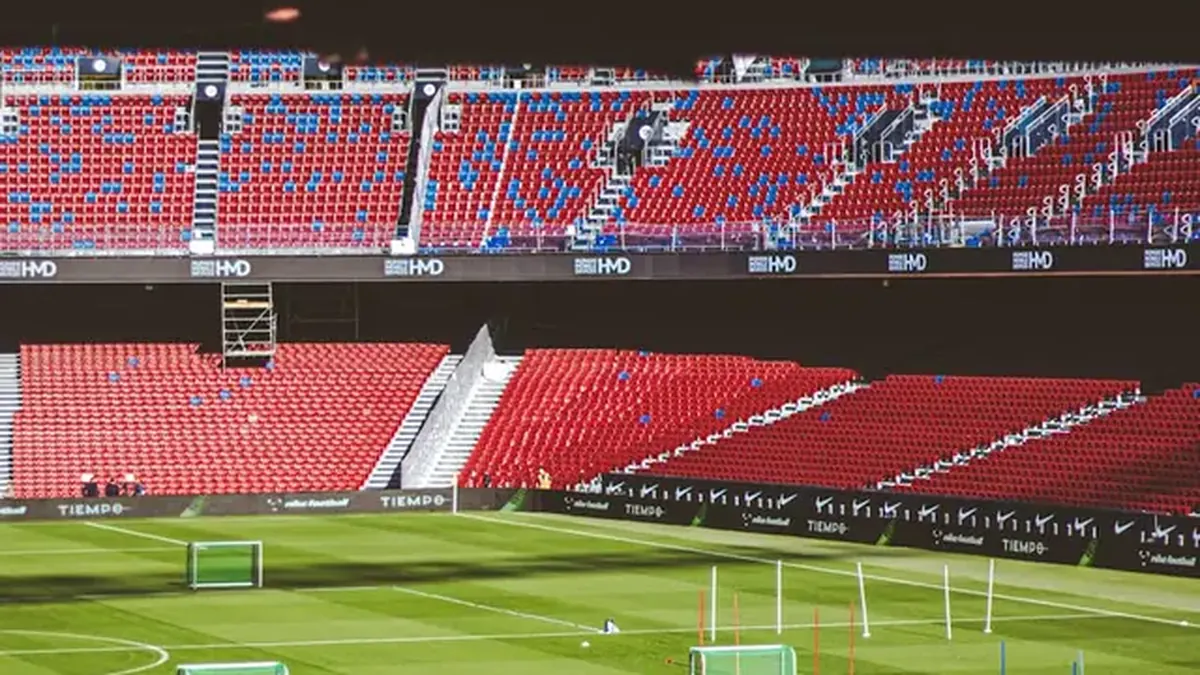
For visitors, the stadium tour is highly recommended, offering access to the dressing rooms, tunnel, and dugouts. The Sunderland AFC Museum and Hall of Fame, located within the stadium, provides a comprehensive journey through the club’s history, honouring legends from all eras. The club’s retail stores offer the latest kits and merchandise, allowing fans to wear the stripes with pride.
Practical Tip for Fans: If you’re attending a match for the first time, arrive early to soak in the atmosphere around the stadium. Visit the statue of Bob Stokoe and Jimmy Montgomery celebrating the 1973 FA Cup win, a perfect photo opportunity and a reminder of the club’s heritage. Example of Tradition: Listen for the roar that greets the opening bars of “Prokofiev’s Dance of the Sugar Plum Fairy” as the teams emerge—a unique and spine-tingling tradition that signals the start of the contest.
Looking Forward: The Pursuit of Excellence Continues
Today, Sunderland AFC stands at a fascinating juncture. Under the custodianship of Kyril Louis-Dreyfus and with a clear strategy focused on developing young talent, the club is rebuilding with a modern, forward-thinking philosophy. The academy, a historic producer of talent, is once again at the forefront, supplying the first team with exciting prospects.
The goal is clear: to return the club to the Premier League and re-establish it as a competitive force. This ambition, however, is now paired with a demand for sustainability and a vibrant style of play that honours the attacking traditions of the “Team of All the Talents.” The journey is as important as the destination, and the current project has re-energised a fanbase that dreams of seeing its club back among the elite.
Sunderland AFC is more than a football club. It is a chronicle of industrial England, a testament to communal loyalty, and a symbol of unwavering hope. Its history is a compelling blend of glorious triumph and gut-wrenching hardship, each chapter deepening the bond with its supporters. From the early dominance at Newcastle Road and Roker Park, to the FA Cup glory of 1973, and into the modern era at the Stadium of Light, the thread that connects it all is the passion of the people.
For those seeking to understand English football’s soul, there are few better places to look than Sunderland. The pursuit continues, always accompanied by the steadfast belief of its fans, who remain, unequivocally, “Sunderland ‘Til I Die.”
Explore more about the club’s journey through its defining moments in our article on Sunderland AFC’s Historic Achievements, delve into the stories of its greatest players in our Legends of Sunderland AFC feature, or learn about the matchday experience at the Stadium of Light Guide.
Reader Comments (13)