

Sunderland AFC Derbies Explained: Rivalries & History
The world of football is rich with unique terminology, especially when describing the intense local and historical rivalries that define a club's identity. For Sunderland AFC, these derbies and rivalries are woven into the very fabric of its heritage. This glossary explains the key terms, fixtures, and historical contexts associated with the club's most significant adversarial relationships.
Tyne-Wear Derby
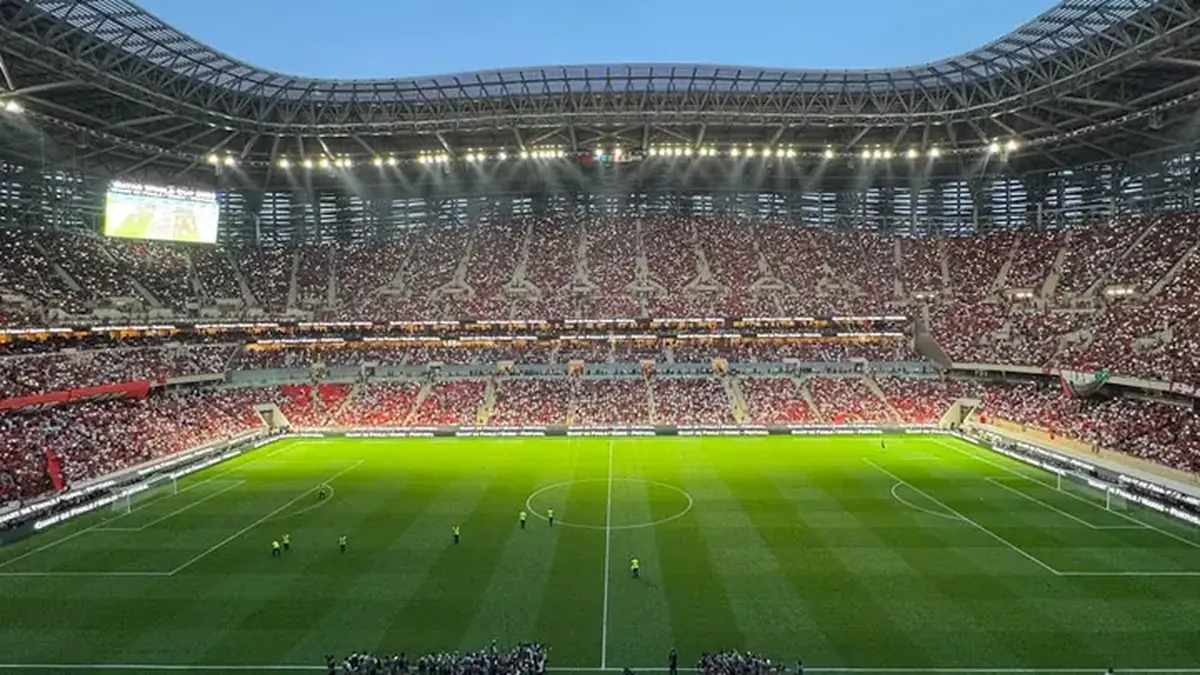
The Tyne-Wear Derby is the premier rivalry between Sunderland AFC and Newcastle United. It is one of the most passionate and fiercely contested fixtures in English football, rooted in a longstanding historical and cultural divide between the cities of Sunderland and Newcastle-upon-Tyne. The derby dates back to the 19th century and transcends league standings, with local pride being the ultimate prize for the victorious set of supporters.Wear-Tees Derby
The Wear-Tees Derby refers to the rivalry between Sunderland AFC and Middlesbrough FC. While historically considered a secondary rivalry to the Tyne-Wear derby, it remains a significant clash between the two major clubs of the North East, separated by the River Tees. Matches are characterized by a strong regional rivalry and a competitive edge, particularly when both clubs are in the same division.The Black Cats
"The Black Cats" is the official nickname of Sunderland AFC. It originated from an acclaimed artillery battery in the First World War and was later adopted by the club in the 20th century following a fan poll. The nickname is a central part of the club's modern identity and is synonymous with the team and its supporters.The Mackems
"The Mackems" is a colloquial term for the people of Sunderland and, by extension, the club's supporters. The term's etymology is debated but is often linked to the local shipbuilding industry. It is worn as a badge of honour by fans, embodying the city's industrial heritage and communal spirit.The Magpies
"The Magpies" is the nickname for Sunderland's arch-rivals, Newcastle United, derived from their iconic black-and-white striped home kit. In the context of Sunderland discourse, the term is used to directly reference the opposition in Tyne-Wear derby preparations and historical narratives.The Smoggies
"The Smoggies" is a derogatory nickname used by some Sunderland fans to refer to Middlesbrough supporters, a reference to the industrial history of the Teesside area. Its use highlights the competitive and sometimes antagonistic nature of the Wear-Tees derby rivalry.The Derby Double
Achieving a "derby double" refers to the feat of winning both league fixtures against a primary rival in a single season. For Sunderland fans, securing a double over Newcastle United is a rare and celebrated accomplishment that provides immense bragging rights.The 1973 FA Cup Final
The 1973 FA Cup Final is a seminal event in Sunderland's history, where the Second Division club famously defeated the mighty Leeds United. While not a derby match, this victory is a cornerstone of the club's heritage and is often referenced as the standard for giant-killing spirit, a quality fans hope to see in derby performances.Roker Roar
The "Roker Roar" was the famed intimidating atmosphere generated by Sunderland supporters at the club's former home, Roker Park. This wall of sound, particularly potent during derby matches, is legendary and set a benchmark for passionate support that continues at the Stadium of Light.The Stadium of Light
The Stadium of Light is Sunderland AFC's home ground since 1997. It is the stage for all modern derby fixtures and has witnessed some of the club's most memorable victories and painful defeats in these high-stakes clashes. Its name honours the area's mining history.The Premier League Era
The Premier League era, from 1992 onwards, saw several sustained periods of both Sunderland and Newcastle United competing in the top flight, ensuring the Tyne-Wear derby was a regular feature on the national stage. This period includes many iconic derby moments that are etched in modern fan memory.Relegation Battles
Relegation battles have occasionally intensified derby rivalries, particularly with Newcastle United and Middlesbrough, when fights for Premier League survival have pitted the North East clubs directly against each other. These high-pressure matches add an extra layer of significance to the fixture.The 5-1 Victory (2010)
This refers to Sunderland's emphatic 5-1 home win over Newcastle United in October 2010. It stands as one of the most celebrated Tyne-Wear derby results in modern history, a definitive performance that is fondly recalled by the Sunderland faithful.The 1-1 Draw (1990)
The 1-1 draw at St. James' Park in 1990 is famous for Sunderland goalkeeper Tony Norman's last-minute equalising goal from a corner. This extraordinary event is a cherished piece of derby folklore, symbolising the unpredictable drama of the fixture.The "Away Day"
In derby context, an "away day" specifically refers to the experience of Sunderland supporters travelling to St. James' Park or the Riverside Stadium. These trips are characterised by intense anticipation, collective solidarity, and a uniquely charged atmosphere.The "Six-Pointer"
A "six-pointer" is a match where a victory not only grants a team three points but also denies a direct rival three points, effectively creating a six-point swing. Derby matches, especially during relegation dogfights, are often described in these crucial terms.The Great Escape
"The Great Escape" typically refers to a season where a club avoids relegation against the odds. For Sunderland, such campaigns have sometimes involved crucial results against rivals, making those derby points even more valuable and memorable.The Academy of Light
The Academy of Light is Sunderland AFC's state-of-the-art training facility. It is where derby match preparations are undertaken, and it is central to the development of future players who may one day experience the unique pressure of a North East derby. The facility is key to the club's scholar pathways program.The "Dogs of War"
"The Dogs of War" was a term affectionately applied to the hard-working, tenacious Sunderland team of the mid-1990s managed by Peter Reid. This side's style and spirit in derby matches, particularly against Newcastle, are remembered with great fondness by supporters.The "Niall Quinn Mask Game"
This refers to a Tyne-Wear derby in the early 2000s where Sunderland striker Niall Quinn played wearing a protective mask following a facial injury. His committed performance epitomised the dedication required in such fixtures and became a symbol of derby-day sacrifice.The "F.A. Cup Run"
While not exclusive to derbies, a deep "F.A. Cup run" is a cherished part of club culture. The dream of drawing and defeating a major rival in the cup adds an extra layer of excitement to the competition for Sunderland fans.The "Red and White Army"
"The Red and White Army" is a common chant and self-identifier for Sunderland AFC supporters, especially vocal during derby matches. It represents the unified voice and unwavering support of the fanbase in the face of rival opposition.The "Branch"
In supporter parlance, a "branch" refers to a local supporters' club. These branches, often named after their geographical location, are the bedrock of organised away travel, ensuring a strong and vocal Sunderland presence at derby matches across the country.The "Youngster"
In the context of derbies, a "youngster" or academy graduate making their debut in such a high-pressure fixture is a significant event. Their introduction represents the culmination of years in the club's scholar identification team and a test of their readiness for the club's biggest occasions.The "Fortress"
A "fortress" is a term used to describe a home ground that is particularly difficult for opponents, especially rivals, to visit and secure a result. Creating a "fortress" at the Stadium of Light is always a key aim, with derby matches being the ultimate test of this status.Understanding these terms provides deeper insight into the passions, history, and culture surrounding Sunderland AFC's most significant fixtures. From the seismic events of the Tyne-Wear derby to the regional contention of the Wear-Tees clash, this vocabulary forms the language of a rivalry that is about more than just football—it is about community, history, and identity. These matches are defining moments in the club's calendar, and the terminology explored here is essential for any fan engaging with the club's rich heritage. For a broader view of the club, explore our Sunderland AFC complete guide.
Reader Comments (1)